The Role of Textile Mills in Economic Development
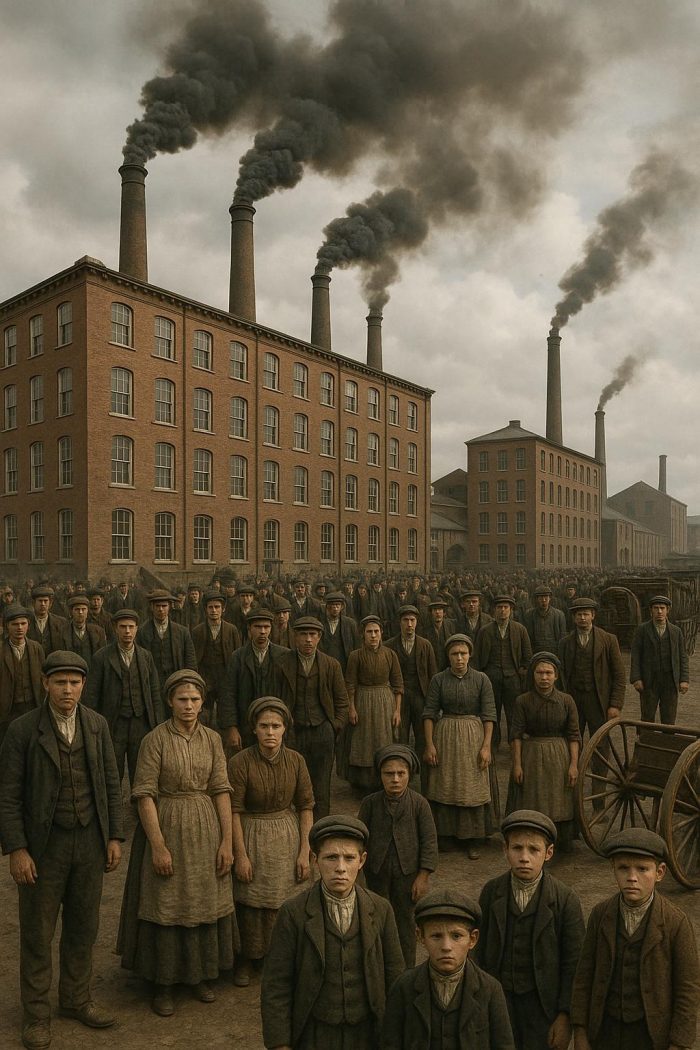
The textile industry is a cornerstone of economic development and industrialization across different regions worldwide. Textile mills, as key components of this sector, are central to the transformation of raw fibers into finished consumer and industrial goods. These facilities not only drive economic growth but also hold substantial social implications.
Job Creation and Employment
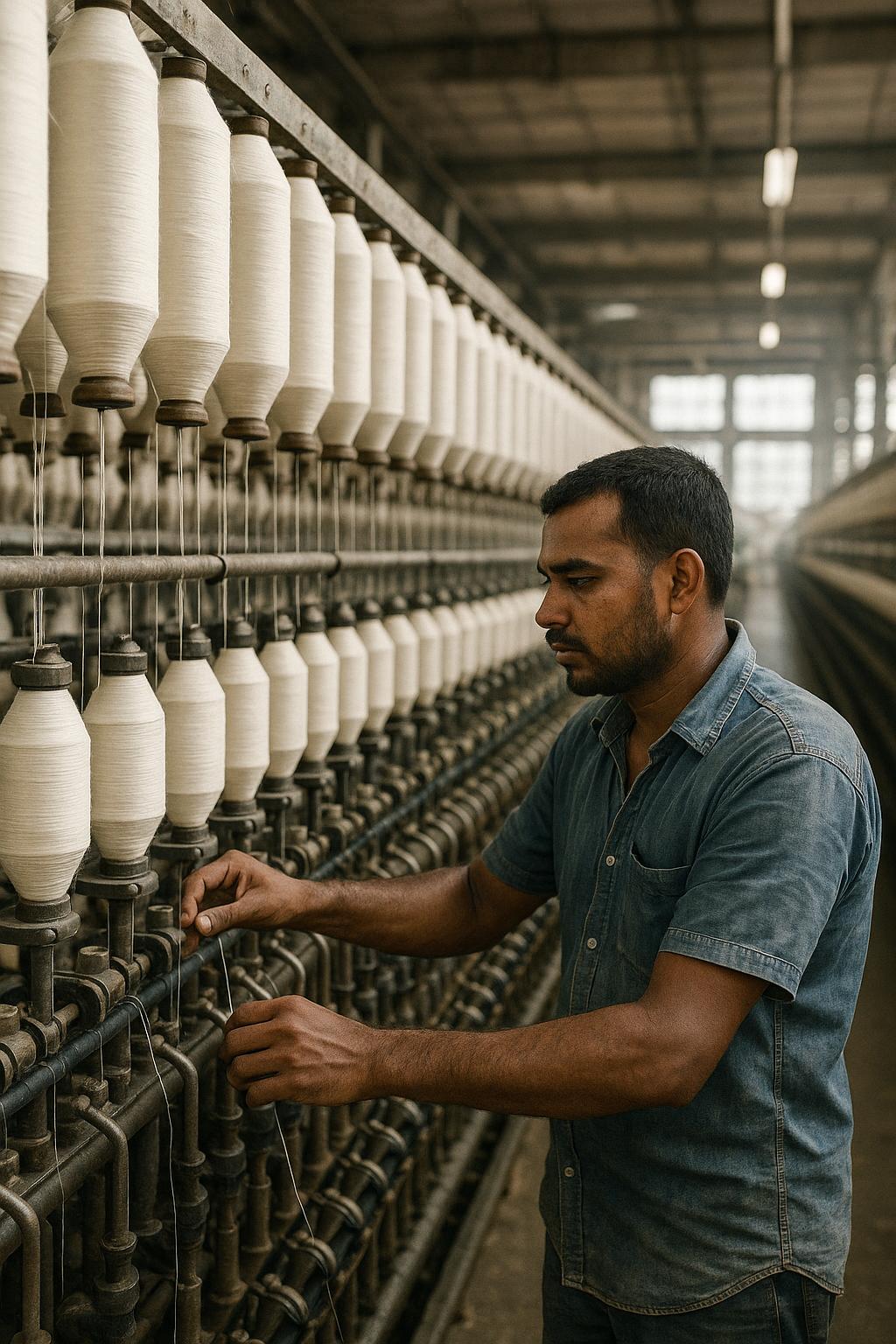
Textile mills are exceptionally significant in job creation in numerous parts of the globe. Their labor-intensive nature makes them pivotal employers, especially within developing nations where employment opportunities are crucial for societal development. Millions of people find work in various roles within textile mills—from operation and production roles to management and maintenance positions. The industry supports an expansive array of jobs, providing critical income for families.
Significantly, a notable proportion of the workforce in textile mills comprises women. This factor plays a vital role in advancing gender equality and improving the socioeconomic status of women in these regions. Female employment in textile mills contributes substantially to household incomes and offers female workers economic independence and empowerment. This dynamic not only benefits the individual workforce but also bolsters societal growth and stability.
Contribution to GDP
The impact of the textile sector on national economies is profound, with substantial contributions to the Gross Domestic Product (GDP). In various countries, particularly in Asia, this industry dominates the manufacturing sector. For instance, in countries like India, Bangladesh, and Vietnam, the textile industry’s contribution to GDP is substantial, enhancing the economic robustness of these nations.
In India, for example, textiles represent about 15% of the nation’s export revenue, underlining their critical role in economic vitality. The industry’s integration into national economies signifies its capability to generate foreign exchange and stabilize economic performance. Furthermore, the prosperity of the textile sector often correlates with broader economic development, supporting industrialization and infrastructure growth.
Linkages with Other Sectors
Textile mills do not operate in isolation; rather, they act as catalysts for activity in multiple sectors of the economy, thus enhancing the economic ecosystem. The functioning of textile mills creates substantial demand for various ancillary industries, such as chemicals for dyeing and finishing, advanced machinery, and logistical services. This interdependency stimulates other industrial activities, promoting overall economic health.
Moreover, finished textile products, ranging from apparel and home textiles to industrial fabrics, provide significant business for global retail sectors. Retailers rely on the supply from textile mills to meet consumer demand for clothing and household goods. This linkage propels retail growth, further contributing to economic dynamism and integration into global trade networks.
Innovation and Technology Upgrade
The contemporary landscape of textile mills is increasingly defined by technological innovations. Modern advancements have ushered in an era where automation, Computer-Aided Design (CAD), and sustainable practices are becoming standard. These technological upgrades are vital in enhancing productivity and efficiency across the industry.
Automated machinery reduces reliance on manual labor while speeding up production processes, leading to cost savings and increased output. CAD technologies have revolutionized design capabilities, allowing mills to rapidly customize and cater to specific demands. Furthermore, a shift towards sustainability drives ethical production processes, which are being adopted to improve long-term business viability.
Investment in technology is consequential not only for production capabilities but also for global competitiveness. Textile mills equipped with the latest technologies are better positioned to compete in the international market, meeting stringent quality standards and consumer expectations.
Trade and Export Potential
The role of textile mills extends beyond local economies, establishing a crucial foundation for international trade. They produce a diverse range of goods catering to both domestic consumers and international markets. For countries with burgeoning textile sectors, exports of textile products significantly enhance trade balances and economic prospects.
Engagement in international markets strengthens economic ties and fosters political relationships, underpinning economic diplomacy. As textile mills scale up and diversify their product offerings, the scope for exports broadens, opening new avenues for economic cooperation and growth.
International trade not only centers on finished goods but also encompasses the exchange of raw materials and semi-finished inputs. Thus, textile mills are integral to a dynamic supply chain that supports global commerce.
Sustainability and Environmental Considerations
With the increasing importance of sustainability, textile mills are under immense pressure to align operations with environmental considerations. Efforts to adopt sustainable practices include optimizing water and energy consumption, reducing waste generation, and selecting eco-friendly raw materials that lessen environmental impact.
Sustainable practices align well with the growing consumer preference for environmentally conscious products. This transition offers mills the potential to tap into new economic opportunities, as sustainable products often attract premium market segments and enhance brand reputation.
Moreover, reducing environmental impact is not just a market trend but a necessity for compliance with evolving regulatory standards. Textile mills that proactively adopt sustainable practices position themselves as pioneers in an industry poised for a greener future.
In conclusion, textile mills are pivotal to economic development. They are instrumental in job creation, boosting GDP, stimulating ancillary sectors, fostering trade, and promoting technological and sustainable innovations. As they continue evolving, their contribution to economic and industrial advancement is crucial for the socio-economic advancement of societies worldwide.