Agricultural Dependency on Mills
Agriculture and milling have been closely linked for centuries, each playing a significant role in building and sustaining economies across the globe. The relationship between agriculture and mills is an essential factor that has significantly influenced the agricultural industry. Historically, this interdependence has been foundational in transforming raw agricultural products into forms that are more accessible for human consumption and utility.
The Role of Mills in Agriculture
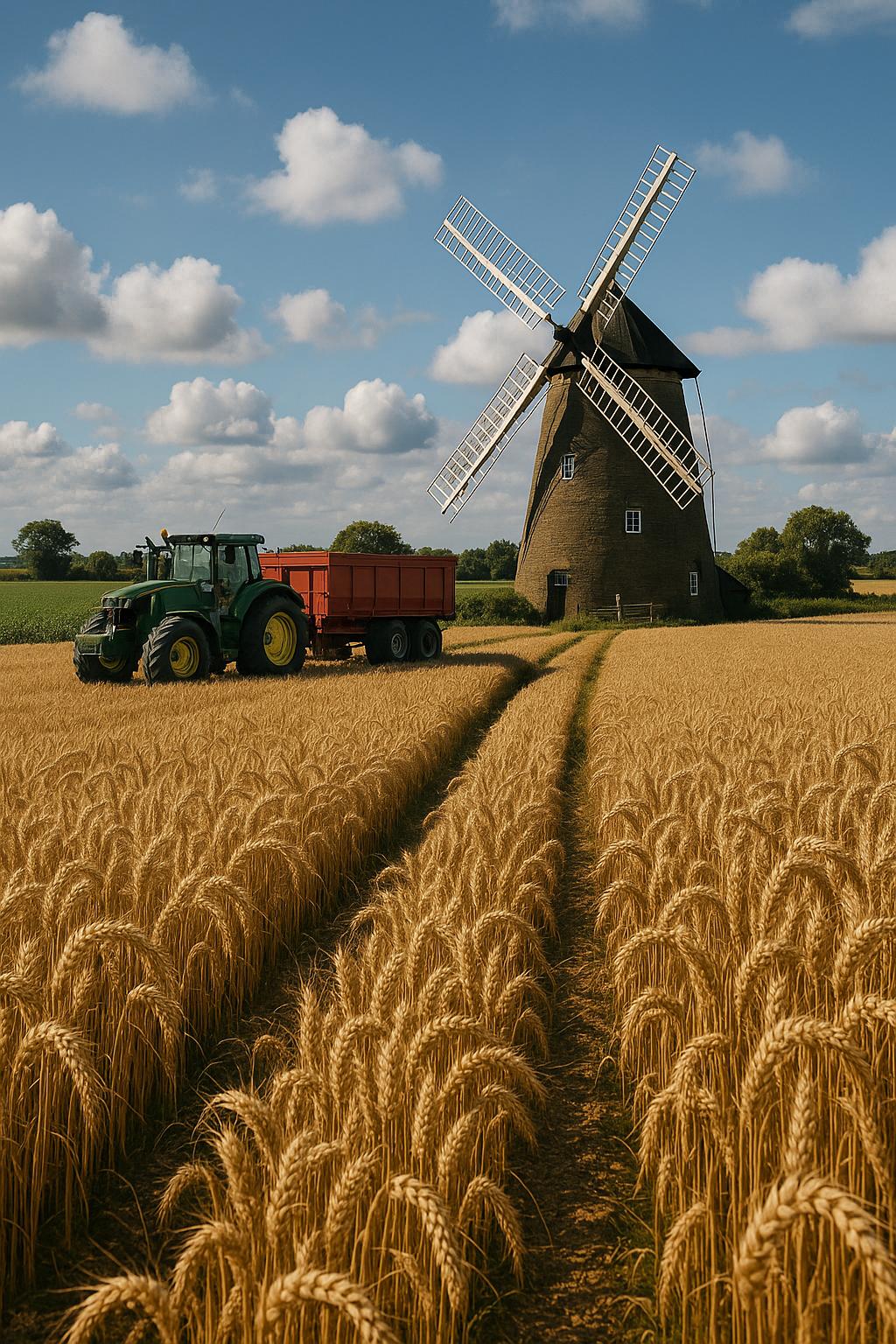
Mills serve as a pivotal mechanism in the processing of various agricultural products. Their importance lies in their ability to transform raw materials from the field into valuable products. For instance, grain mills facilitate the conversion of cereals into flour, a staple in numerous culinary traditions worldwide. Similarly, oil mills are responsible for extracting oils from seeds, a process that leads to the creation of a wide array of cooking oils. Sugar mills perform the crucial task of processing sugarcane to yield refined sugar, an ingredient found in countless food items.
These processes highlight how mills add value to agricultural outputs. By processing the raw materials, they enhance the marketability of these products, allowing farmers to command better prices and therefore achieve greater financial stability. This value addition not only supports farmers but also enriches the food supply chain, ensuring a steady flow of these converted goods into the market.
Economic Impact
Mills significantly contribute to the economic landscape of agriculture. Their existence is vital for farmers who derive economic advantages by having access to local or regional milling facilities. These facilities enable farmers to sell processed goods at better market rates compared to raw produce. The resulting income boost is fundamental for sustaining agricultural livelihoods, especially in rural areas where farming often serves as the backbone of the local economy.
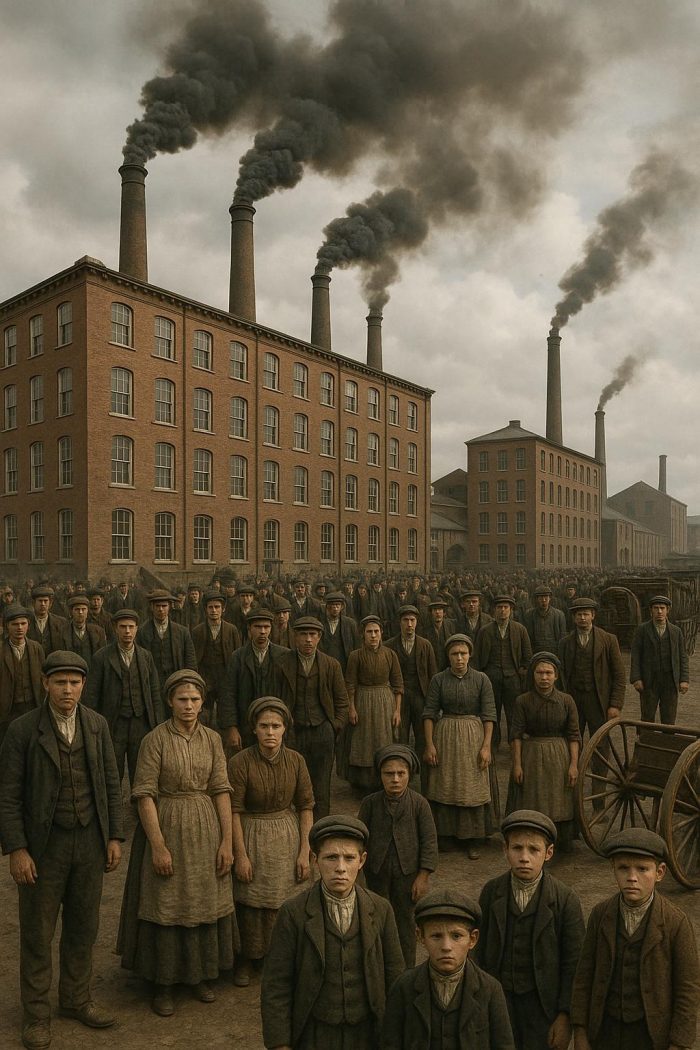
Moreover, mills foster local job creation and encourage economic activity by generating employment opportunities. They are responsible for a variety of jobs ranging from mill operation to administrative roles. This employment growth contributes to the economic upliftment of communities that are predominantly agricultural, bringing financial sustainability and encouraging other ancillary industries to thrive.
Technological Advancements
In recent decades, technological advancements have significantly altered the dependency dynamic between agriculture and milling. Modern milling technologies have introduced sophisticated machinery that enhances the process of converting raw agricultural products into consumable goods. These advanced systems have not only boosted efficiency but also minimized waste, thereby promoting sustainable agricultural practices.
The use of technologically advanced machinery has improved the quality and speed of production at mills. These systems optimize various aspects of milling, from grain size reduction to oil extraction efficiency, allowing for higher outputs and better quality products. As a result, farmers are empowered to augment their production capacities, confident in the knowledge that their increased yield can be processed proficiently.
Technological innovation is essential in leveling the playing field for smaller operations, providing them with the tools needed to compete effectively in the market. The adoption of modern milling technologies allows for greater precision, flexibility, and scale, which benefits producers by reducing costs and ensuring consistent product quality.
Challenges and Future Prospects
Despite the multitude of benefits derived from the relationship between agriculture and mills, challenges remain that need to be addressed. A notable concern is the environmental impact of industrial milling operations. The energy consumption and pollution associated with large-scale mills can be significant, posing a threat to the surrounding environment and contributing to climate change.
Moreover, the potential monopolization of milling facilities creates a risky environment for small-scale farmers. As major processing facilities dominate, smaller farmers can find themselves disadvantaged, lacking equal access to these vital services. This can exacerbate inequalities within the agricultural sector, pushing smaller operations out of the market or causing them to accept unfavorable terms for their produce.
Solutions to these challenges lie in investing in renewable energy options and supporting initiatives that empower local and smaller-scale milling operations. Renewable energy adoption in mills can significantly reduce their carbon footprint, while supporting small-scale processors can help maintain industry diversity and resilience.
For more details about sustainable practices and the future directions of agricultural milling, one can explore resources from organizations dedicated to agricultural development. The Food and Agriculture Organization (FAO) and the International Food Policy Research Institute (IFPRI) offer comprehensive research and insights into these issues.
In conclusion, the interplay between mills and agriculture is both intricate and essential. The valuable role of mills in transforming agricultural products underpins their importance in the food supply chain and in securing economic viability for farmers. However, addressing technological and environmental challenges is necessary for ensuring that these benefits are sustainable and inclusive in the long term. The strategic evolution of milling processes, paired with thoughtful policy and community-level support, will be key to fostering a thriving agricultural sector.