Introduction to Modern Wind Farms
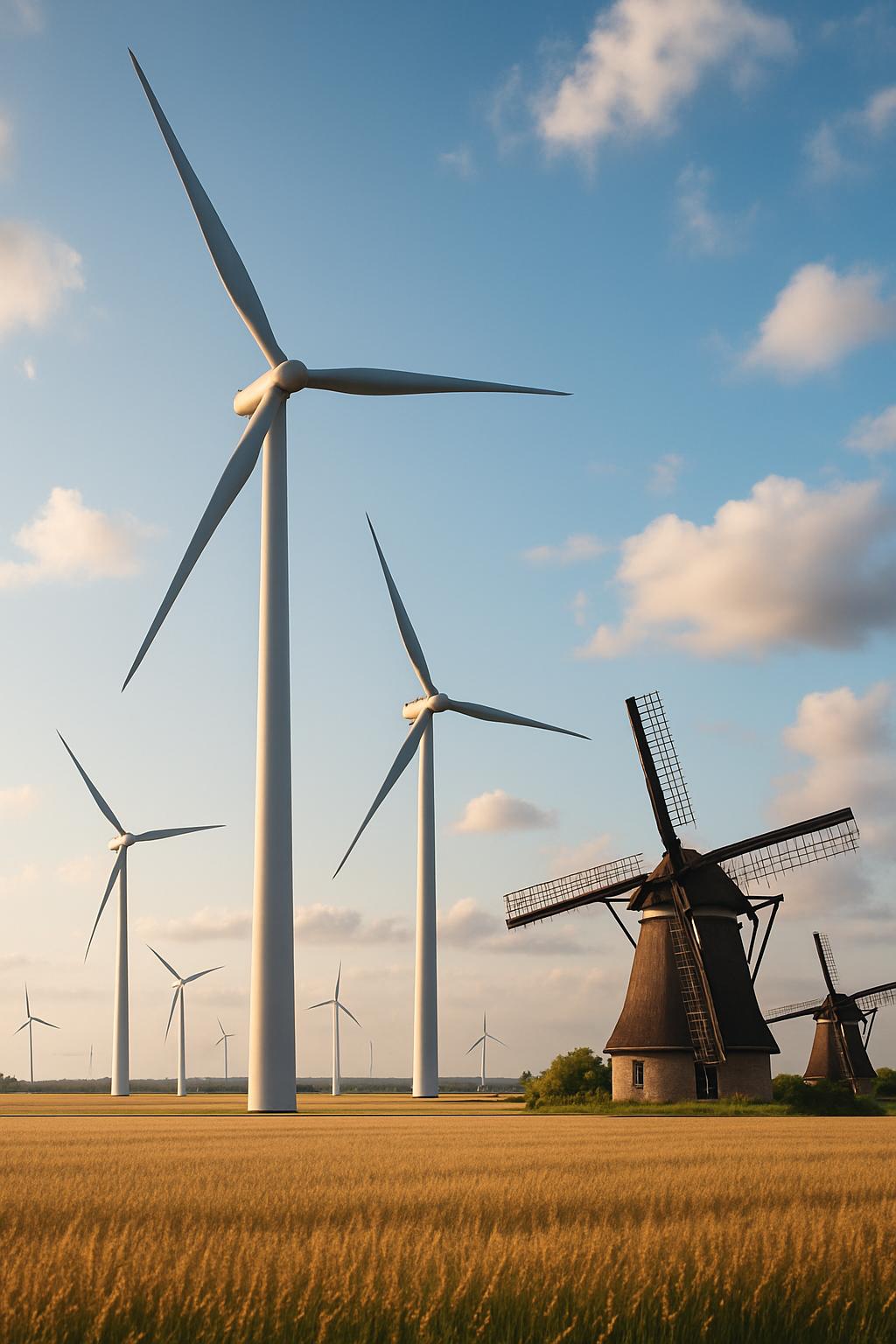
Modern wind farms stand at the forefront of our efforts to harness renewable energy sources. Unlike historical windmills, which were primarily dedicated to mechanical tasks like grinding grain or pumping water, contemporary wind farms are engineered with a focus on maximizing electrical output. These installations typically include a substantial number of wind turbines systematically arranged in clusters. These clusters can be found both onshore and offshore, strategically sited to take advantage of optimal wind conditions for energy production.
Components of a Wind Farm
Understanding modern wind farms necessitates knowledge of their essential components.
Wind Turbines: Dominant in appearance across any wind farm, wind turbines serve as the pivotal machinery designed to capture kinetic energy from the wind. This captured energy is transformed into mechanical power, which a generator then converts into electricity.
Substations: Once electricity is produced by the turbines, it must undergo transformation to a higher voltage to facilitate efficient transmission across power lines, a process carried out in substations.
Transmission Lines: These lines act as conduits, channeling the generated electricity to the grid, ensuring that it reaches end users seamlessly.
Wind Turbine Technology
The evolution of wind turbine technology has been transformative, propelled by scientific advancements and engineering ingenuity. Modern wind turbines are characterized by their impressive height and substantial blades, both features designed to capture more wind efficiently. The nacelle, a critical component, houses machinery integral to the turbine’s operation, including the gearbox and generator systems. The commitment to innovation is visible in the use of advanced materials and aerodynamic designs, which have significantly augmented turbine efficiency and longevity.
Onshore vs. Offshore Wind Farms
There are two main types of modern wind farms, onshore and offshore, each with its distinct advantages and challenges.
Onshore Wind Farms: Situated on land, these farms are generally less complex to build and maintain compared to their offshore counterparts. They are noted for their cost-effectiveness; however, they do face hurdles such as land use limitations and potential visual impacts on the landscape, which can influence public perception and acceptance.
Offshore Wind Farms: Constructed in aquatic environments, these farms benefit from more robust and consistent wind patterns. Nevertheless, they are associated with greater engineering challenges and require a higher investment at the outset. The complexity of construction in marine conditions and the technological demands in these harsher environments contribute to these increased costs.
Sustainability and Environmental Impact
The pivot to wind power is celebrated primarily for its positive environmental implications. Wind farms generate electricity without emitting carbon dioxide, thereby playing a crucial role in lowering greenhouse gas emissions when compared to traditional fossil fuel power sources. As wind is a renewable resource, wind energy is sustainable and lessens the dependency on finite energy sources.
Despite these substantial benefits, wind farms are not singularly advantageous. They can have ecological consequences, particularly concerning local wildlife. The infrastructure related to construction and operation can disrupt bird and marine ecosystems. To mitigate these environmental intrusions, wind farm developers implement strategies that include strategic site positioning and the development of technology designed to be more harmonious with natural habitats, such as bird-safe turbine technology.
Economic Considerations
The construction and operation of wind farms have a ripple effect on economies, catalyzing job creation in various sectors, from manufacturing to maintenance. This aspect is crucial for regions looking to enhance employment opportunities. Additionally, wind energy’s potential to stabilize electricity costs and reduce reliance on energy imports offers invaluable long-term economic benefits.
To drive and sustain investment in wind energy, various government incentives and subsidies play a pivotal role. These financial supports are designed to lower the economic barriers to entry for wind projects, encouraging a broader transition to renewable energy and the adoption of sustainable solutions.
Conclusion
Modern wind farms are more than just energy producers; they are pivotal to the broader strategy of transitioning towards renewable energy sources. Their development and expansion are crucial for achieving sustainability targets and minimizing environmental footprints. By embracing cutting-edge technological advancements, these farms continue to grow in both capacity and efficiency, establishing their place as a cornerstone in the global energy landscape. For comprehensive details on renewable energies and related discussions, further resources can be explored at energy.gov.