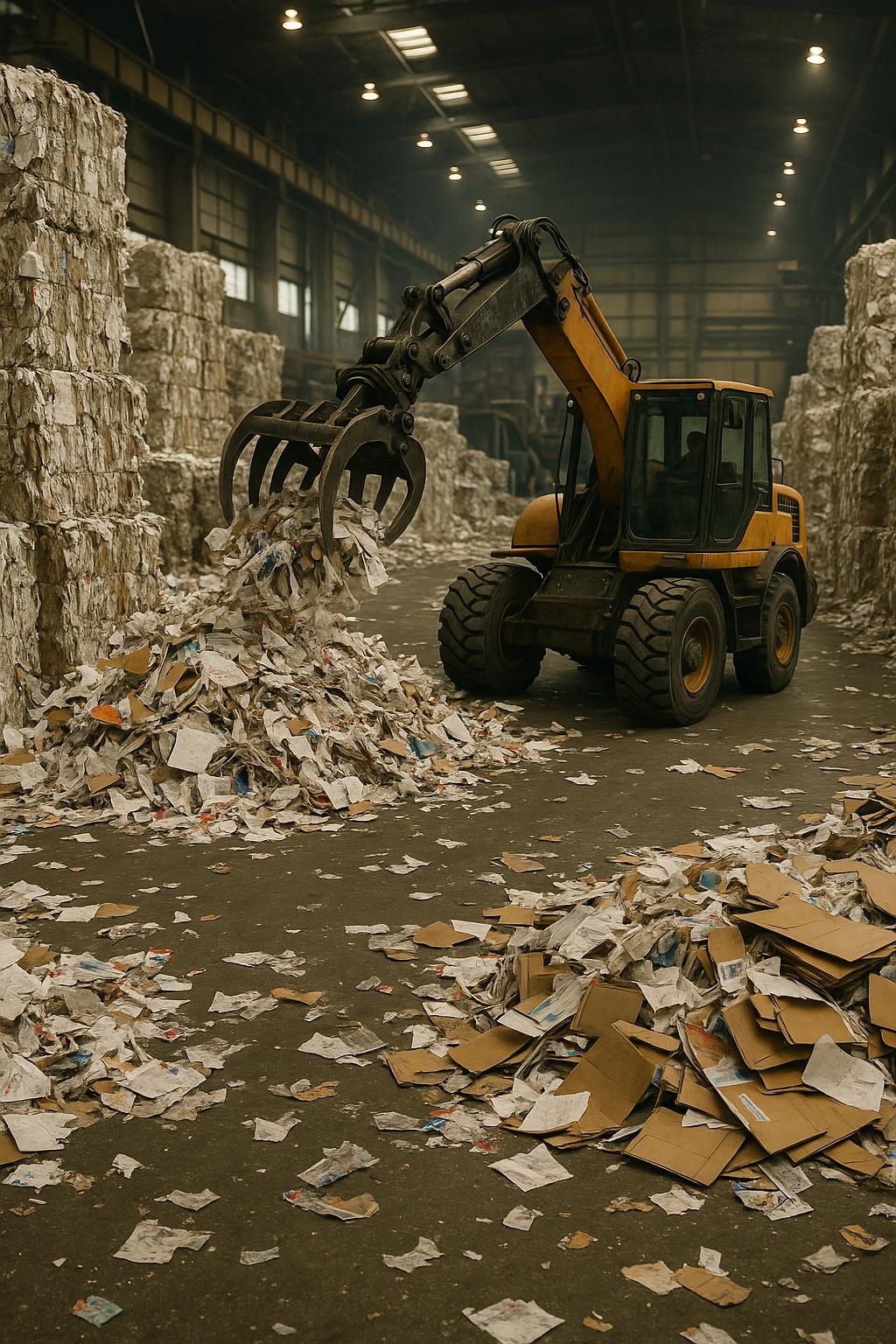
Introduction to Recycling in Paper Mills
Recycling in paper mills forms a cornerstone of contemporary waste management and environmental conservation strategies. At its essence, this process transforms waste paper into new products, significantly mitigating the necessity for raw material harvesting and consequently minimizing the ecological footprint. This comprehensive exploration delves into the methodologies, benefits, and challenges associated with recycling activities in paper mills.
The Recycling Process
The journey of paper recycling consists of multiple, intricate steps that metamorphose used paper into reusable materials. The journey commences with the collection and sorting of waste paper. Such paper is subsequently conveyed to recycling facilities, progressing through a sequence of processes:
Pulping: Initially, the collected paper undergoes a pulping process, wherein it is amalgamated with water and chemicals to disintegrate it into cellulose fibers. This mixture yields a slurry termed as pulp.
Screening and Cleaning: Following pulping, the pulp is subjected to screening processes that extricate contaminants – primarily inks, adhesives, and plastics.
De-inking: For recycled paper necessitating ink removal, the pulp undergoes a de-inking procedure which employs flotation and washing techniques to eliminate ink.
Bleaching: In certain cases, to attain a requisite level of brightness and eradicate residual color, the pulp may be subjected to bleaching.
Papermaking: Conclusively, the purified and processed pulp is molded into sheets and dried, culminating in recycled paper products prepared for either commercial or consumer applications.
Benefits of Recycling in Paper Mills
The recycling process is laden with numerous environmental and economic advantages, both holding significant prominence.
Environmental Impact: Through recycling, there is a diminished need for raw materials, thereby contributing to forest conservation and reducing habitat destruction. Additionally, it scales down energy consumption and pollution in stark contrast to the creation of paper from virgin fibers.
Economic Benefits: Employing recycled materials can amplify cost-efficiency in production and lessen dependency on landfill space. Paper mills embracing recycling practices may also gain from governmental incentives and foster a favorable corporate image, aligning with contemporary consumer expectations of sustainability.
Challenges in the Recycling Process
Despite its numerous advantages, paper recycling is marred by certain obstacles, necessitating strategic maneuvers.
Contamination: The presence of contaminants in collected paper can obstruct and inefficacious the recycling process. Strict adherence to sorting and cleaning protocols is critical in upholding high quality standards.
Market Demand: The volatile market demand for recycled paper can stifle the profitability of recycling endeavors. Ensuring a steadfast demand necessitates innovative marketing strategies and evolution in recycled paper product offerings.
Conclusion
Recycling within paper mills holds pivotal importance in propelling sustainable waste management and resource conservation. By reshaping waste into valuable commodities, recycling endeavors significantly reduce the ecological footprint ingrained within the paper industry. To explore further into sustainable measures in paper production, visit Sustainable Paper Resources.
This discourse accentuates the complex processes that underpin recycling, illuminating the plethora of benefits it encompasses, alongside tackling the inherent challenges. The pursuit of enhancing the efficiency of recycling within paper mills remains a dynamic and crucial ambition, pivotal to cultivating an environmentally sustainable future, aligning with broader environmental conservation goals. The ongoing exploration and innovation within this domain promise a continued diminution of environmental strains rooted in paper production and consumption.
By fostering collective responsibility and encouraging widespread participation from both industries and consumers alike in recycling initiatives, the envisioned goal of a sustainable paper industry becomes increasingly attainable. With a collaborative approach, leveraging technological advancements and sound policies, the paper industry can stride towards minimizing environmental impacts and ushering a new era of responsible resource management.