Sustainable Practices in Textile Production
The textile industry stands as a significant contributor to environmental pollution and resource depletion. As concerns regarding environmental sustainability become more pronounced, the evolution of the textile industry towards sustainable practices is accelerating. These sustainable practices are designed to reduce the ecological footprint of textile mills through various strategic adaptations.
Resource Efficiency
Optimizing the use of resources is a crucial element in the journey towards sustainable textile production. By implementing modern technologies, textile mills can make substantial reductions in their consumption of water, energy, and raw materials. For example, advancements in dyeing technology now enable textile manufacturers to consume less water and energy while still achieving high-quality color results.
Water Conservation Techniques
A significant focus within textile sustainability is on minimizing water usage, as the industry traditionally relies on significant water volumes, especially in dyeing and finishing phases. Sustainable practices involve the adoption of closed-loop water recycling systems and innovative waterless dyeing technologies. Not only do these methods conserve valuable water resources, but they also play a role in lessening the pollution of water bodies by preventing harmful chemical discharges. For readers interested in understanding more about these water-saving technologies, detailed information can be accessed here.
Energy Efficiency
Another pillar of sustainable textile production is the reduction in energy consumption. Incorporating energy-efficient machinery alongside the use of alternative and renewable energy sources such as solar and wind power allows textile mills to significantly curb their carbon emissions. This approach not only brightens the environmental landscape but also provides economic benefits by reducing operational costs in the long run.
Use of Sustainable Fibers
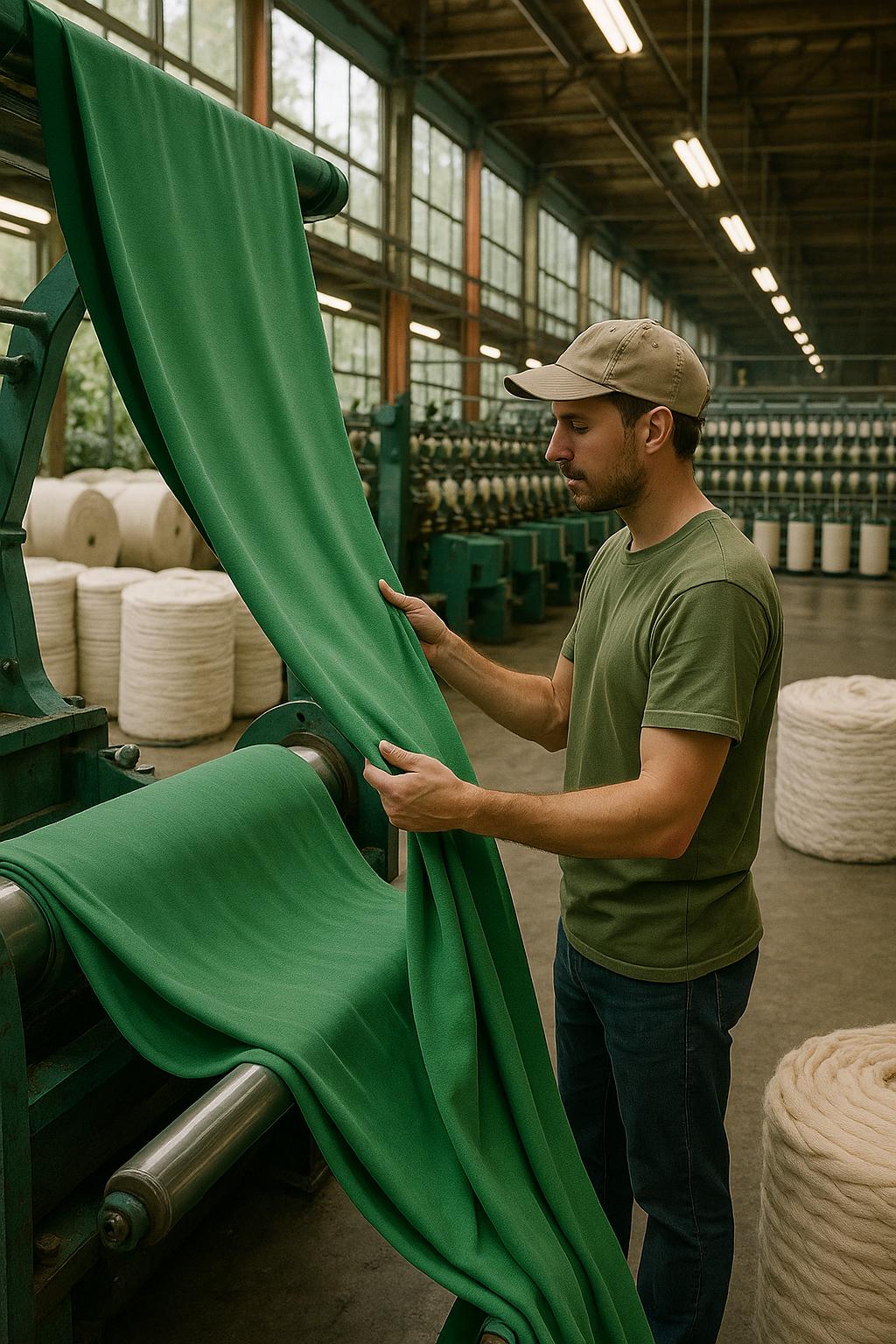
Selecting sustainable raw materials is an essential strategy in sustainable textile production. Mills are increasingly leaning towards fibers such as organic cotton, hemp, bamboo, and recycled polyester. These sustainable fibers are distinguished by their lower resource requirements and minimal environmental impact when compared to conventional materials. This shift towards greener raw materials forms a critical part of a holistic approach to an eco-friendly supply chain, enhancing the overall sustainability credentials of the industry.
Chemical Management
Chemical usage in the textile production process presents substantial risks to both the environment and human health. Implementing advanced chemical management systems is crucial to address these concerns. This involves selecting safer, more biodegradable chemicals and minimizing chemical waste through enhanced process controls. The Zero Discharge of Hazardous Chemicals (ZDHC) program offers valuable guidelines for responsible chemical management, encouraging textile mills to adopt safer practices.
Waste Reduction and Recycling
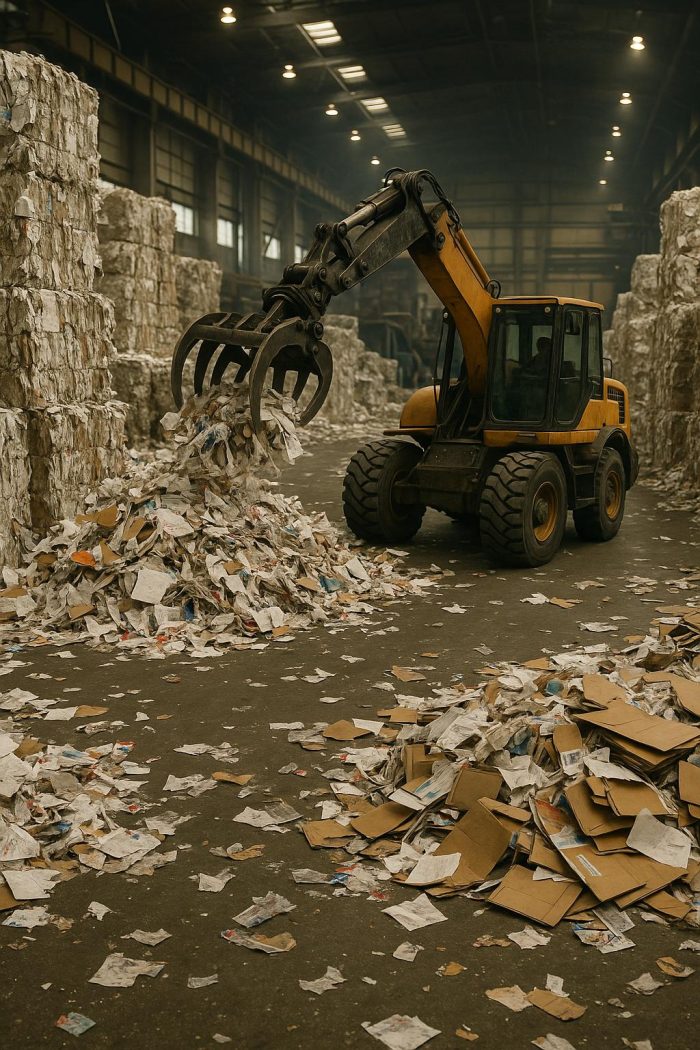
Effective waste management is a foundational aspect of sustainable textile production. Textile manufacturers can significantly cut down waste by exploring methodologies like circular design, which promotes recycling and the reuse of materials. Moreover, the adoption of sustainable packaging solutions adds an additional layer of environmental protection by reducing material waste.
Sustainable Certifications and Standards
The adoption of recognized certifications and adherence to industry standards have a profound effect on enhancing the sustainability of textile production. Certifications such as the Global Organic Textile Standard (GOTS) and OEKO-TEX® set forth environmental and social criteria for textile products, urging manufacturers to continually improve their operations. These certifications not only provide a structured pathway for sustainable practices but also better position textile products in the market as environmentally and socially responsible choices.
Conclusion
In summary, the pursuit of sustainable textile production is a multifaceted endeavor encompassing the efficient use of resources, adoption of sustainable fibers, sound chemical management, and adherence to stringent certifications and standards. By embracing these practices, textile mills can significantly mitigate their environmental impact and make a meaningful contribution towards a more sustainable and equitable future. For a more comprehensive exploration of sustainable textile production practices, further resources are available and can be accessed here.