The Impact of Mills on Carbon Emissions
The industrial sector, encompassing a wide range of activities including milling operations, is a notable contributor to carbon emissions on a global scale. Mills, as a vital element of this sector, are integral to transforming raw materials into finished products. The processes involved in milling, however, often lead to significant carbon emissions, which have notable environmental consequences. This document elaborates on the impact of mills within the broader context of carbon emissions, explores the key contributors to these emissions, and examines ongoing efforts to mitigate their impact.
Understanding Carbon Emissions from Mills
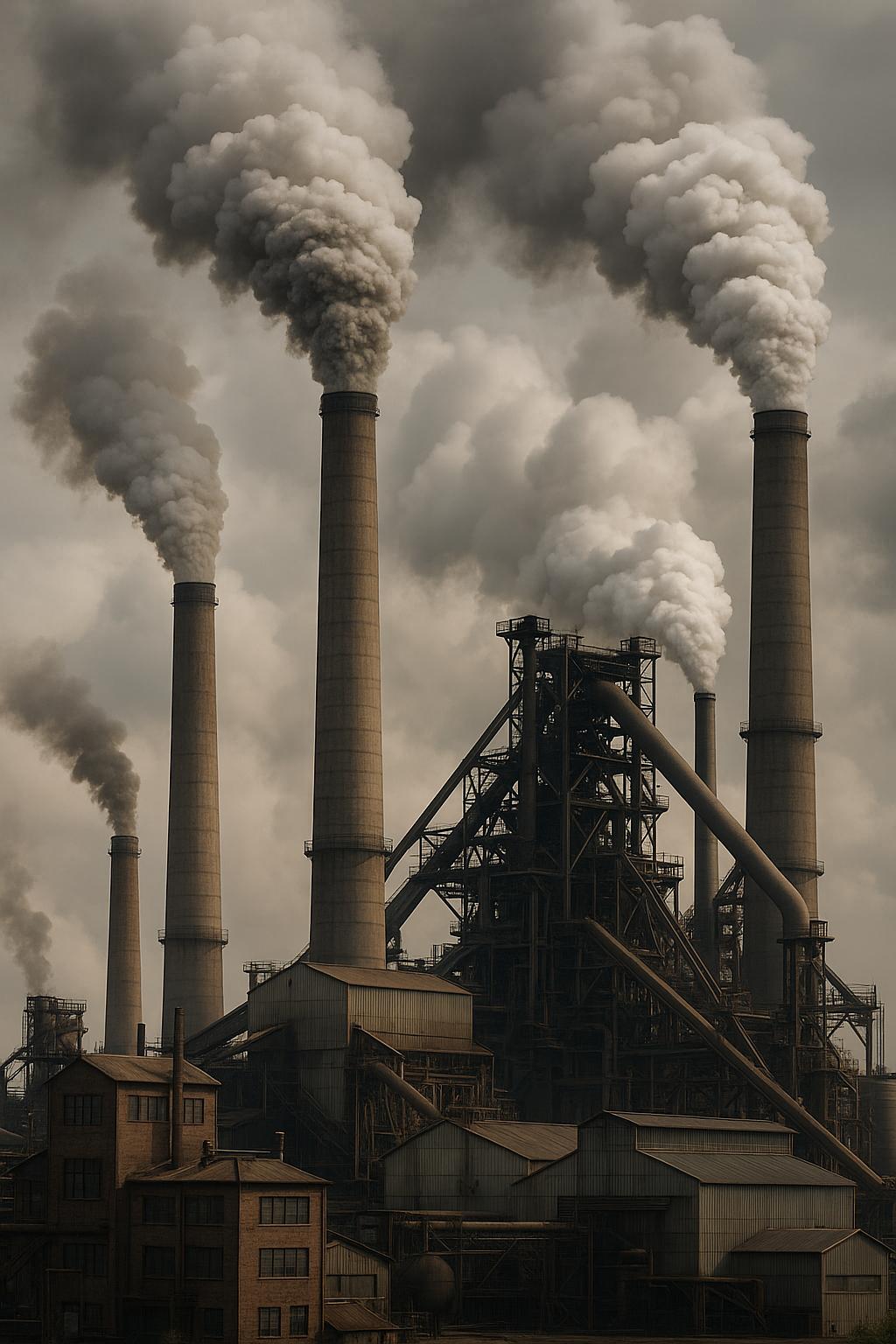
Mills can show a great deal of variety in their functions, capacities, and areas of specialization. They can range from small-scale, community-focused grain mills to expansive, capital-intensive industrial plants like those in the paper or steel sectors. Despite these differences, most mills share a common trait: the use of energy-intensive processes. These processes frequently involve the combustion of fossil fuels such as coal, oil, and natural gas. The burning of these fossil fuels leads to the release of carbon dioxide (CO2), a prominent greenhouse gas that plays a central role in the phenomenon of climate change.
Factors Contributing to High Emissions
Multiple elements contribute to the elevated levels of carbon emissions associated with mill operations:
1. Energy Use: The operation of mills, particularly larger ones, demands vast amounts of energy. This energy is critical to running industrial machinery and sustaining production targets. The prevalent reliance on energy derived from fossil fuels remains a primary driver of carbon emissions in this context.
2. Efficiency of Technology: A significant number of mills continue to operate with outdated technological frameworks. These older technologies tend to be less efficient, resulting in a higher output of emissions compared to modern, state-of-the-art counterparts that implement the latest advancements in machinery and equipment.
3. Production Volume: There is typically a direct correlation between the volume of production in large industrial mills and their energy use. As production scales increase, so too does the energy demand, which often leads to a corresponding rise in carbon emissions.
Efforts to Reduce Emissions
Efforts to mitigate the environmental impact of mills largely focus on reducing their carbon footprint. Strategies being employed include:
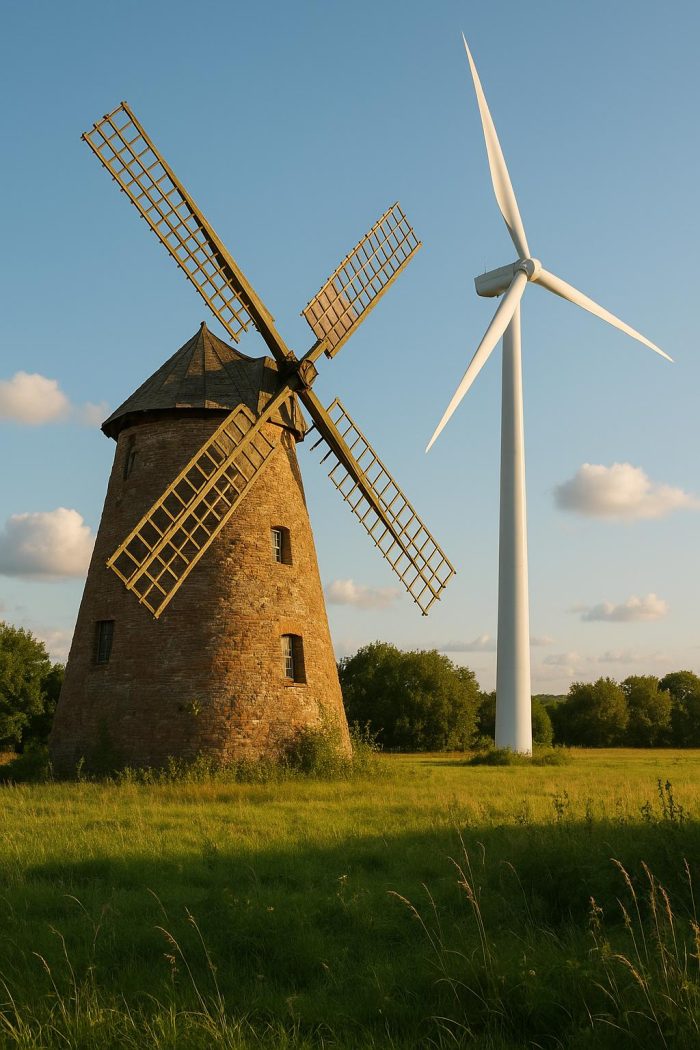
– Adoption of Renewables: An increasing number of mills are transitioning from fossil fuels to renewable energy sources, such as solar and wind power, to fuel their operations. This pivot substantially decreases their reliance on traditional fossil fuels and helps in cutting down emissions.
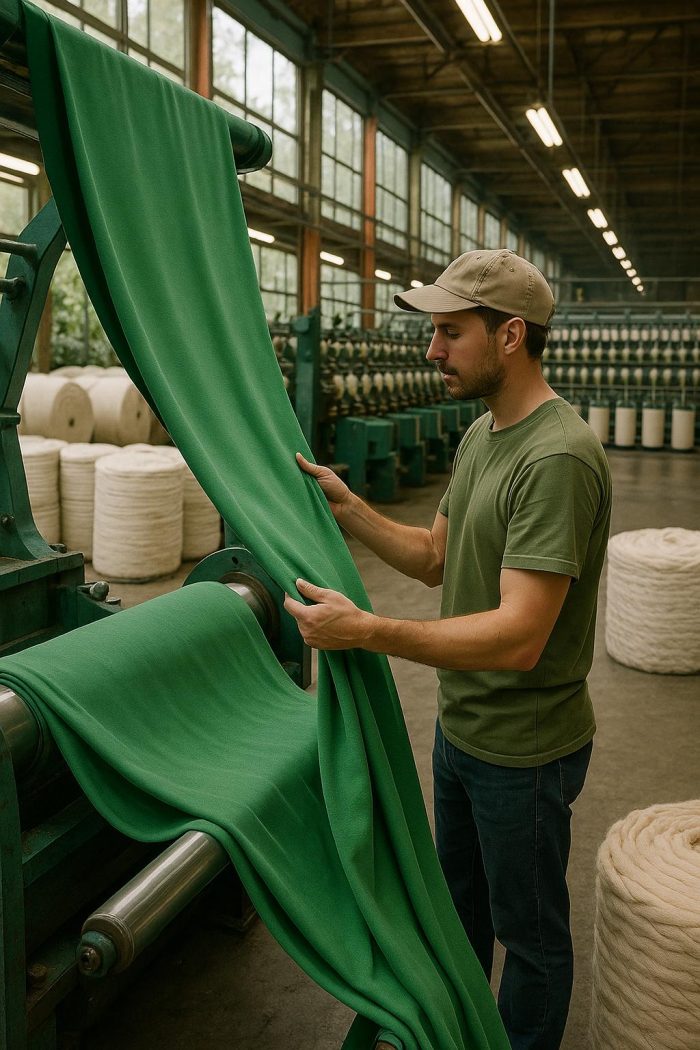
– Energy Efficiency Improvements: Technological upgrades play a crucial role in reducing emissions. By modernizing machinery and refining production techniques, mills can significantly cut down on energy consumption. The adoption of equipment integrated with advanced energy-efficiency technologies presents a significant opportunity for reducing overall emissions.
– Carbon Capture and Storage (CCS): An advanced and promising technological solution, CCS involves capturing CO2 emissions before they have a chance to enter the atmosphere. The captured carbon is then stored underground, thereby preventing it from contributing to atmospheric greenhouse gas levels.
Legislation and Carbon Emissions
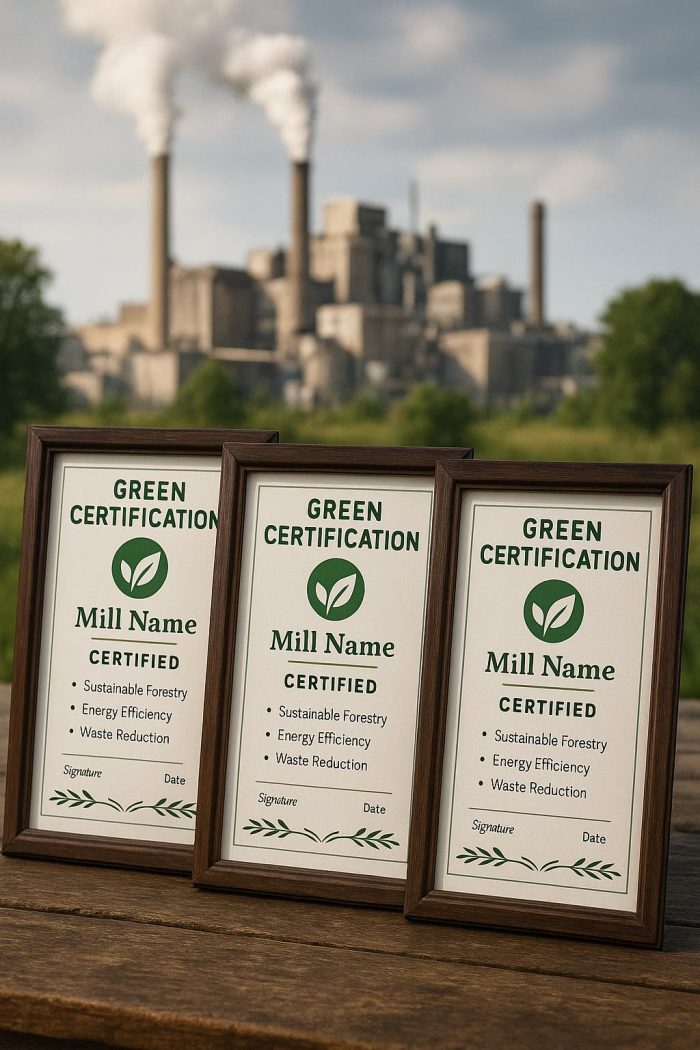
Regulatory frameworks and legislative measures are key drivers in promoting efforts to curb emissions. Many government bodies have begun to enforce regulations that establish strict emission caps and provide various incentives to industries for integrating cleaner technologies into their operations. Furthermore, international treaties and agreements, such as the Paris Agreement, serve as guiding frameworks for countries worldwide. These agreements aim to steer global industry, including milling operations, toward more sustainable and environmentally considerate practices. Industries are increasingly called upon to evaluate and reduce their environmental impacts.
The journey toward achieving equilibrium between industrial productivity and environmental stewardship is critical. As global awareness of sustainability issues heightens, mills, along with other industrial sectors, are being driven to innovate and explore new ways of reducing their carbon emissions. This exploration and innovation must happen while maintaining their core responsibilities within the global economic framework.
For further exploration into the impacts and methodologies surrounding energy use and carbon emission reductions in the industrial sector, reference materials from leading organizations such as the International Energy Agency and the United States Environmental Protection Agency provide insightful guidance. These resources furnish valuable insights and data that inform the ongoing transformation toward more sustainable industrial practices.