Understanding Green Certifications for Mills
In the contemporary manufacturing landscape, there is an increasing demand for businesses to embrace sustainable practices. This shift is largely driven by a combination of regulatory pressures, consumer awareness, and the broader global commitment to mitigating environmental impacts. One noteworthy way through which mills in the manufacturing sector are responding to this call is by seeking and achieving green certifications. These certifications do not only serve to bolster the credibility and reputation of a mill but also demonstrate adherence to environmental standards aimed at minimizing carbon emissions and conserving natural resources.
What Are Green Certifications?
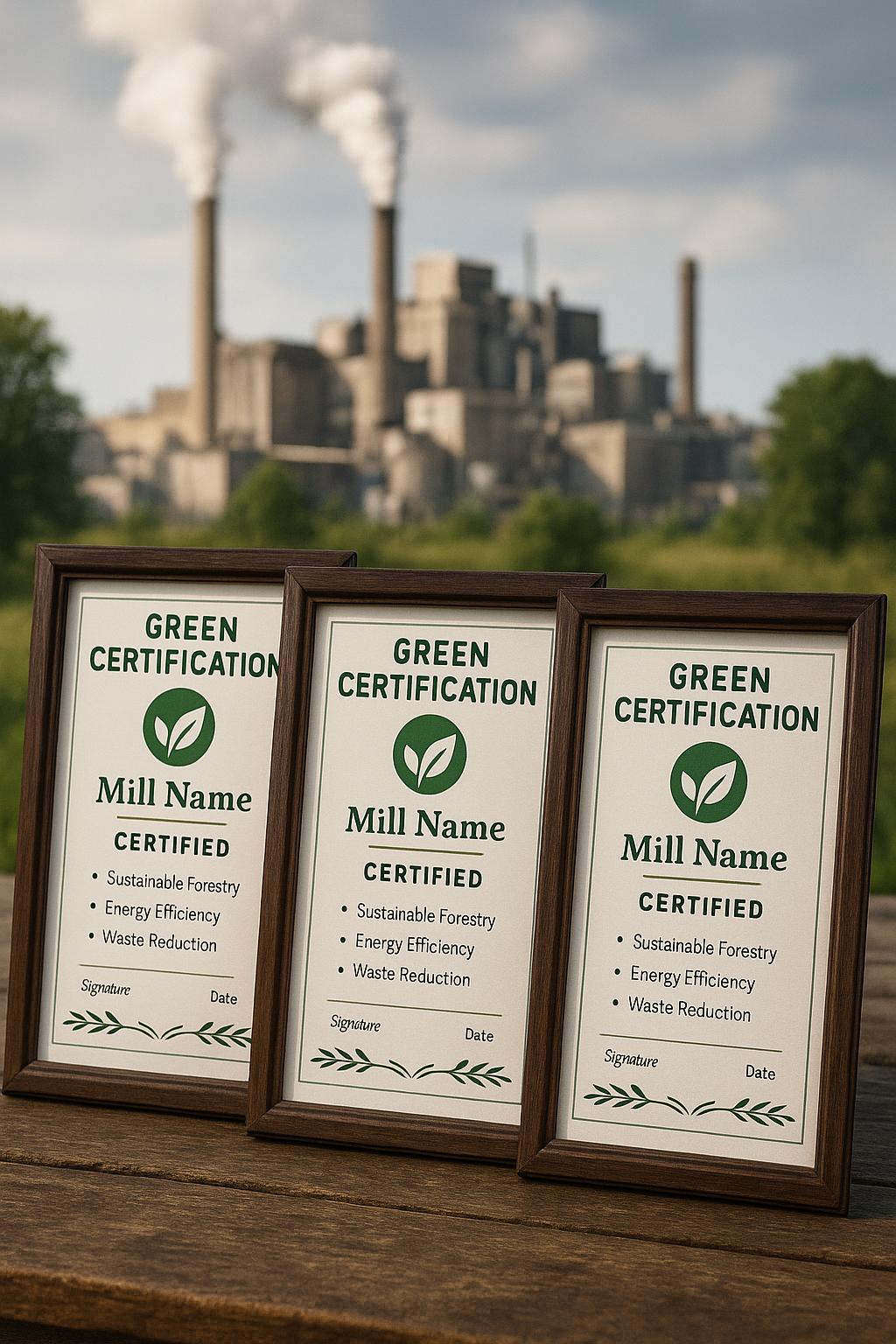
Green certifications are formal recognitions bestowed upon companies that satisfy specific environmental, social, and economic sustainability benchmarks. Typically awarded by independent third-party organizations, these certifications might encompass a wide range of operational aspects or focus on specific segments of a mill’s activities. The principal aim of these certifications is to encourage environmentally responsible practices that lessen the adverse effects on the planet.
Importance of Green Certifications
Securing a green certification signals a company’s robust commitment to sustainability. It assures consumers, investors, and regulatory bodies that the company is conducting its business in an environmentally responsible manner. Moreover, these certifications facilitate the opening of new market opportunities and can culminate in cost reductions due to efficient management of resources.
Standards and Criteria
Acquiring a green certification entails a comprehensive assessment of a mill’s processes and activities. These evaluations may investigate areas such as energy consumption, waste management strategies, water usage, and the mill’s collective environmental impact. Widely recognized standards are set by organizations such as the Environmental Protection Agency (EPA), Leadership in Energy and Environmental Design (LEED), and the Forest Stewardship Council (FSC). These organizations provide frameworks and guidelines for evaluating the extent of a company’s sustainable practices.
Benefits of Obtaining a Green Certification
Securing a green certification offers numerous advantages for mills, such as:
Improved Marketability: Certified mills can fully leverage their eco-friendly status both domestically and internationally. This is increasingly appealing to consumers who prioritize environmental sustainability in their purchasing decisions. Certification helps these mills stand out in the crowded market and cultivates a loyal customer base.
Regulatory Compliance: Green certifications play a critical role in ensuring that mills abide by government regulations and industry standards, effectively mitigating the risk of incurring legal penalties. The alignment with regulatory requirements can also prevent disruptions in operations related to compliance issues.
Cost Efficiency: By optimizing the use of resources and minimizing waste generation, mills can significantly reduce their operational costs. This efficiency not only strengthens the financial standing of the mill but also reinforces its commitment to resource conservation.
Innovation and Leadership: Striving for green certification often necessitates the adoption of innovative technologies and processes. Consequently, mills can position themselves as pioneers and leaders within their industry, setting a benchmark for others to follow.
Popular Green Certifications
Mills across various sectors can pursue certifications that correspond with their particular operational needs and aspirations. Some of the well-established certifications include:
- ISO 14001: This certification emphasizes the development of effective environmental management systems. It is widely recognized and applied across numerous industries.
- LEED Certification: Most relevant to mills involved in construction materials and building sectors, LEED certification underscores sustainable building and operational practices.
- FSC Certification: Aimed particularly at paper and forest product industries, the FSC certification guarantees that products originate from responsibly managed forests, thus promoting sustainable forestry practices.
Achieving and Maintaining Certification
Securing a green certification involves a meticulous initial audit conducted by the certifying body. This comprehensive process assesses the mill’s manufacturing operations and policies to ensure compliance with the relevant sustainability standards. However, achieving certification is not a once-and-done effort. Certified mills must remain compliant with these standards and undergo regular evaluations to retain their certification status. This ongoing process demands a steadfast dedication to continuous improvement and the integration of emerging sustainability technologies and practices.
Conclusion
In conclusion, green certifications are instrumental in the evolution and modernization of mills worldwide. These certifications provide a structured and coherent framework for instituting sustainable practices that yield substantial environmental and economic advantages. For mills aspiring to lead in sustainability, pursuing the pertinent green certifications represents a strategic alignment of environmental stewardship with business success. These efforts culminate not only in enhanced operations but also aid in crafting a sustainable future that benefits both the business and the broader community.