Types of Mills

Textile mills

Introduction to Textile Mills

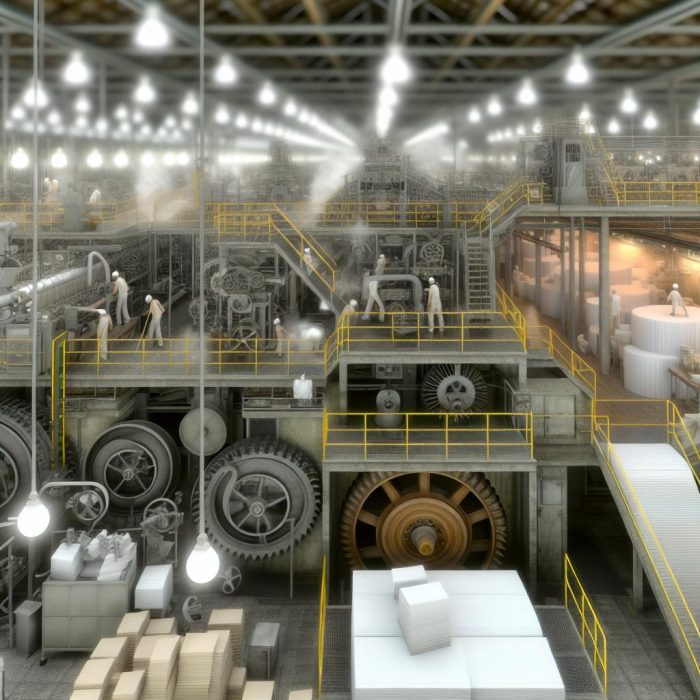
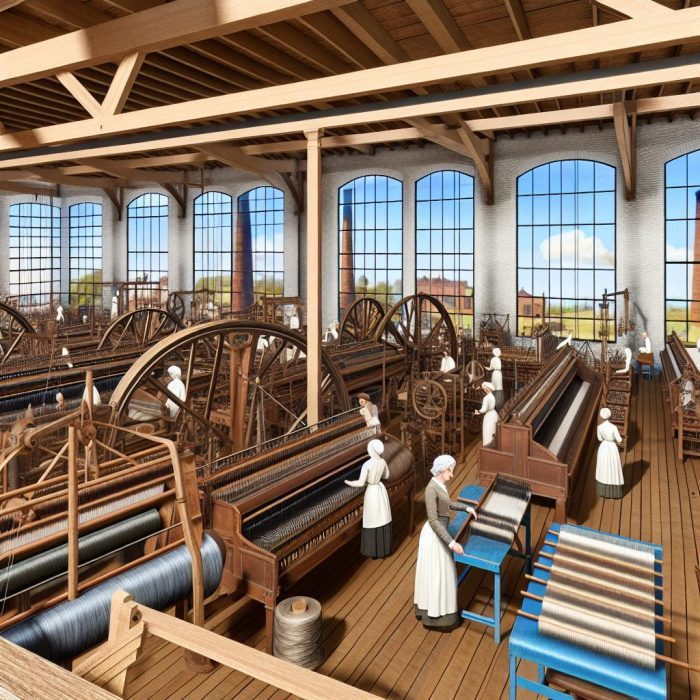
Textile mills are a fundamental component of the global manufacturing industry, serving a crucial role in the production of fiber-based products. These products range from everyday clothing to sophisticated industrial materials. The process within these mills begins with raw fibers and continues through several stages, including spinning, weaving, knitting, dyeing, and finishing. Through these processes, raw fibers are transformed into finished products ready for consumer use. The history of textile mills spans multiple centuries, with innovations in machinery dramatically enhancing production capabilities and reshaping the landscape of manufacturing.

Historical Background

The origins of textile mills can be traced back to the industrial revolution of the 18th century, an era marked by significant innovation in Britain. Inventions like the spinning jenny, water frame, and power loom were pivotal. These technologies significantly boosted productivity by allowing for the consolidation of manufacturing processes into centralized locations known as mills. This shift marked the beginning of a new era in manufacturing, fundamentally changing economic and social structures. As time progressed, the influence of these innovations spread worldwide.

Industrial Revolution Impact

The industrial revolution brought about substantial advancements in the field of textile manufacturing. Before this period, textile production was primarily a home-based artisan activity. The introduction of mechanization in spinning and weaving, combined with new power sources such as steam and water, revolutionized the industry. These innovations reduced production times and brought down costs significantly, leading to a shift towards machine-driven industrial processes. This transition laid the groundwork for the modern manufacturing industry we know today.

Global Expansion

With advancing technology, textile mills began to spread beyond their initial geographical confines. European and North American countries were early adopters of these manufacturing processes. By the 20th century, the textile industry had found substantial footing in many Asian countries, including China and India. Lower labor costs and access to raw materials in these regions spurred this expansion. The globalization of textile production has greatly influenced global economic development and international trade, contributing significantly to the growth of emerging economies.

Operations and Processes

In contemporary times, textile mills are intricate operations involving multiple processes to transform raw fibers into desirable products. Each stage of production plays a vital role in determining the final product’s quality and efficiency.

Spinning

Spinning is the first major process in the production chain. It involves converting raw fibers such as cotton, wool, or synthetic alternatives into yarn. This stage is mechanized to a significant degree, employing machines such as ring and rotor spinners to achieve specific yarn characteristics. The quality of the yarn produced is crucial, as it impacts the properties of the final fabric.

Weaving and Knitting

After the spinning process, the yarn undergoes weaving or knitting to become fabric. Weaving involves interlacing two sets of yarns at right angles, creating a robust and structured fabric. In contrast, knitting involves forming loops of yarn, which results in a more flexible and elastic fabric. Each method offers unique fabric characteristics suitable for different textile applications, ranging from apparel to home textiles.

Dyeing and Finishing

The dyeing process imparts color to the fabrics, enabling them to achieve desired aesthetics and performance qualities. In addition to dyeing, finishing processes are applied to enhance fabric properties. These processes can improve aspects like durability, water resistance, and texture, ensuring that the fabrics meet the requirements of their intended use. Finishing is a pivotal step in ensuring that the final textile product is both attractive and functional.

Environmental and Economic Considerations

Despite their importance to the economy, textile mills face notable environmental and social challenges. The industry is actively seeking to address these issues through various initiatives aimed at reducing its environmental impact.

Sustainability Challenges

Textile manufacturing is resource-intensive, contributing significantly to pollution and waste. Challenges such as high water consumption, extensive use of chemicals, and textile waste disposal have prompted efforts to enhance sustainability. Initiatives are underway to incorporate eco-friendly materials and cleaner production technologies. These efforts focus not only on reducing the environmental footprint of textile manufacturing but also on ensuring better resource utilization and minimizing waste.

Economic Impacts

The economic significance of textile mills is undeniable. They create substantial employment opportunities and are crucial to economic development, especially in emerging economies. Textile mills form a critical link in the supply chain of the global apparel market. However, they are also subject to various challenges, such as fluctuating market demands and trade restrictions, impacting the stability and growth of the industry. Addressing these challenges is vital to maintaining the economic viability of textile mills.

Conclusion

Textile mills continue to occupy a vital position in the manufacturing sector. They are constantly evolving to incorporate technological advancements and meet market trends. Historically, these mills have been drivers of economic growth and industrialization. Moving forward, efforts to improve both sustainability and operational efficiency will be essential for their continued success. Exploring additional resources can provide further insights into the processes and advancements within textile mills.

Types of Mills

Flour mills

Introduction to Flour Mills

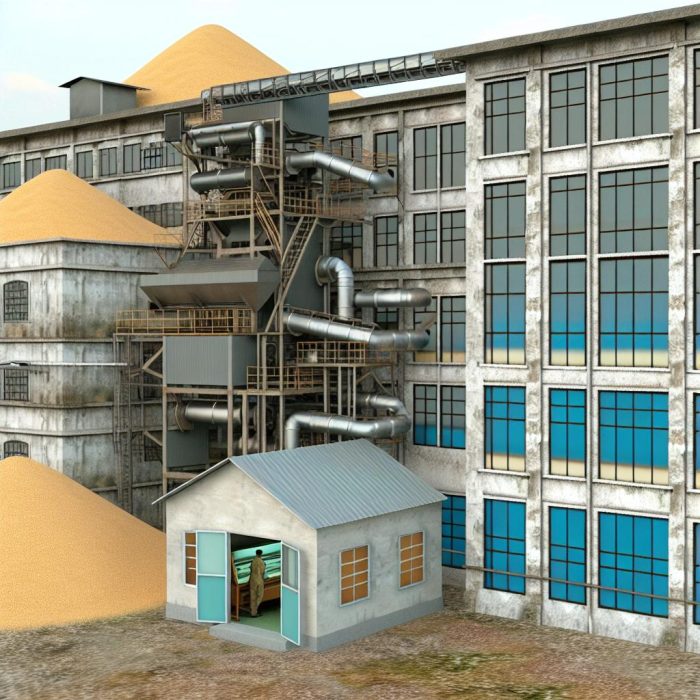
Flour mills are essential facilities where grains are ground into flour. These mills have been pivotal in food production across the globe, enabling the creation of staple foods such as bread, pasta, and pastries. While the fundamental purpose of flour mills has remained unchanged, advancements in technology have significantly improved their efficiency and capacity.

History of Flour Milling

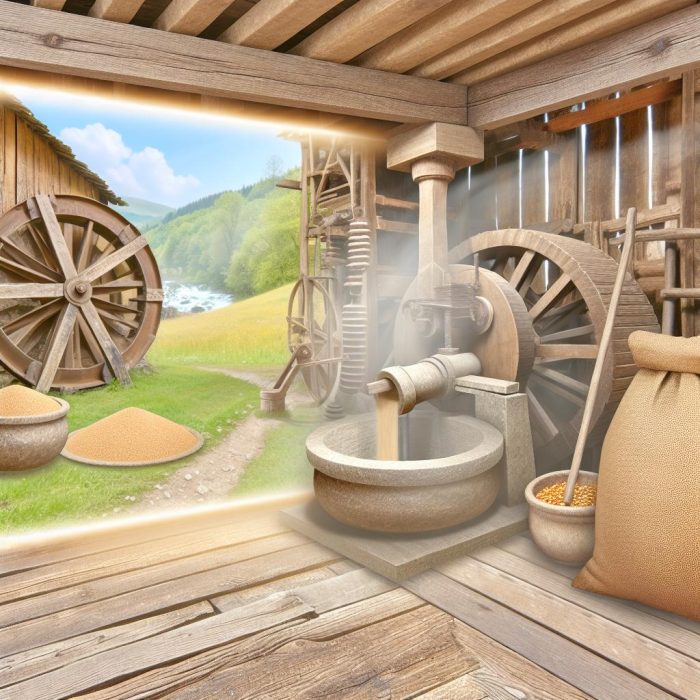
The art of milling can be traced back to ancient times. Early methods involved hand-grinding grains using tools like stones. The advent of the water mill during the Roman era marked a significant shift, allowing for more efficient processing. By the time of the Industrial Revolution, milling underwent another transformation with the introduction of steam power, further enhancing production capabilities.

In ancient civilizations, grains were a fundamental part of the diet, necessitating a reliable means to convert them into usable flour. The earliest milling methods were rudimentary, involving a simple hand tool or a stone to crush the grains, which was labor-intensive and time-consuming. The invention of the water mill alleviated some of this burden by using flowing water to turn a wheel, which in turn rotated grinding stones. This innovation greatly increased the amount of grain that could be processed with far less manual effort.

The leap in milling technology during the Industrial Revolution was remarkable. As steam power became more prevalent, it was applied to flour milling, facilitating the development of larger and more efficient mills. This technological advance allowed mills to operate independently of natural water sources, paving the way for the growth of urban centers with abundant food supplies. The ability to produce flour more rapidly and efficiently was a key factor in supporting expanding populations and urbanization during this period.

Types of Flour Mills

Today, flour mills are categorized primarily based on the source of their power and the scale of production. Below are the main types of flour mills used in modern milling:

Stone Mills: These are traditional mills that use large stones to grind grains. While they have largely been replaced by modern techniques, some artisanal and organic mills continue to use stone, arguing that it preserves the grain’s natural flavor. Stone milling is often seen in smaller, localized settings where maintaining the authenticity and nutrition of the grain is prioritized. It involves large stones that crush and grind the grain, staying true to ancient methods while adding the benefit of improved technology to ensure consistency and quality.

Roller Mills: This type dominates the industry today. Roller mills use cylindrical rollers to crush and grind grains, which allows for a more refined end product. These mills are especially popular in industrial settings due to their high efficiency and ability to produce a consistent product. Roller mills employ a series of rollers that progressively crush the grain. The adjustment of these rollers allows operators to control the texture and fineness of the flour produced, making it exceedingly versatile for different food processing needs.

Hammer Mills: Often used for coarser flour or breaking down grains before they enter a roller mill. Hammer mills operate with high-speed rotating hammers. This method is more suited for creating coarse flour or grist and is favored for products that do not require fine sifting. The design of hammer mills enables them to handle a wide variety of grains and produce different types of flour used primarily in animal feed and similar applications.

Innovations in Milling Technology

The milling industry continues to innovate, driven by needs for efficiency, sustainability, and improved product quality. Recent developments have focused on several key areas:

One major innovation is the transition to automated milling processes. Automation reduces human error, enhances safety, and improves overall production quality. Machines equipped with sensors and advanced controls can manage the entire process from grain cleaning to grinding to packaging, ensuring each step is optimally executed. These automated systems not only enhance efficiency but also ensure consistent quality across batches, essential for large-scale production.

The separation of grain components has also seen technological advancements. Modern milling machinery can now differentiate between the bran, germ, and endosperm of grains more precisely, allowing for the production of varied flour types that cater to specific dietary needs and preferences. Such sophistication enables the creation of specific blends for health-conscious consumers or specialty markets.

Additionally, many modern mills are incorporating smart technologies that integrate real-time data analytics. By analyzing production data, mills can optimize their operations to reduce waste and improve yield. This technological infusion provides a dual benefit: lowering production costs while simultaneously enhancing sustainability metrics.

Sustainability in Flour Milling

Sustainability is becoming a focal point in the industry. Many mills are investing in renewable energy sources such as solar and wind power to reduce their carbon footprint. This shift reflects a broader industry trend towards minimizing environmental impact and enhancing operational efficiency through sustainable practices.

Mills are increasingly scrutinizing their energy consumption and waste output. By employing renewable energy, such as solar panels or wind turbines, they can significantly reduce reliance on non-renewable resources. Besides reducing their environmental impact, this transition to clean energy often yields financial benefits through reduced energy costs and sometimes government incentives.

Apart from energy, there is a growing emphasis on sustainable sourcing of grains. Mills are forming partnerships with local farmers who practice environmentally friendly farming techniques, such as reduced pesticide use or organic farming methods. These relationships foster a supply chain that supports environmental health and provides consumers with quality products that align with their values.

Conclusion

Flour mills play a crucial role in the food supply chain, converting grains into a versatile product used worldwide. As the industry faces challenges such as climate change and a growing global population, innovation and sustainability will likely shape the future of flour milling. By adopting new technologies and sustainable practices, the milling industry is poised to meet these challenges effectively while continuing to provide essential products for global populations.

The ongoing evolution in flour milling practices signifies an industry committed to meeting the changing demands of society. Consumers increasingly seek products that are not only high in quality but also produced in a manner that respects the environment. Flour mills, with their long history and ongoing innovations, are well-equipped to continue playing a vital role in feeding the world.

For more information on this topic, you can explore sources like The Grains Council.

Types of Mills

Grain mills

Understanding Grain Mills

Grain mills are essential tools for transforming cereals and grains into flour or meal. These devices are significant not only in the food industry but also for individuals who enjoy baking at home or crafting their meals from raw ingredients. Understanding how a grain mill operates and the value it adds in both domestic and commercial settings is crucial for anyone interested in a more hands-on approach to food preparation.

Functions and Importance of Grain Mills

Grain mills play a vital role in ensuring the quality and nutritional value of flour. When grains are freshly milled, they retain more nutrients compared to commercially processed flour, which can lose some nutritional content during mass processing and storage. This is because fresh milling keeps much of the grain’s bran and germ intact, which are rich in essential vitamins and minerals.

In addition to providing nutritional benefits, using a grain mill allows for greater control over the texture and consistency of flour. This enables bakers to tailor their flour to the specific requirements of different recipes, leading to improved outcomes in cooking and baking.

Types of Grain Mills and Their Features

There are multiple types of grain mills available, each designed with specific purposes in mind. Understanding these types helps in making an informed decision based on one’s requirements.

Manual Grain Mills

Manual grain mills are characterized by their simplicity and affordability. As these devices operate without electricity, they are a viable choice in locations where power might not be reliable, or for small-scale usage. These mills typically involve the use of a hand crank or wheel, requiring physical exertion to grind the grains. Although manual grain mills can be slower when processing larger quantities, they offer longevity and do not rely on electrical components that might wear out over time.

Electric Grain Mills

Electric grain mills are favored for their convenience and high efficiency. These devices use electrical power to quickly process significant quantities of grain, making them suitable for individuals needing larger amounts of flour occasionally or for small business settings. Known for their speed and minimal effort required in operation, electric mills are ideal for regular usage and can handle a wide range of grain types.

Commercial Grain Mills

For businesses or industrial applications, commercial grain mills offer the capability to process large quantities of grain continuously. These mills are built for durability and high performance, often made from materials that withstand heavy use. Their robust design ensures they can meet the demands of large-scale flour production, decreasing processing times significantly and boosting efficiency for mill operators.

Advantages of Using Grain Mills

Using grain mills provides numerous benefits, enhancing the cooking experience and food quality.

Ensuring Quality Control

When grinding grains in-house, users gain control over the freshness and quality of their flour, leading to better nutritional outcomes. The process allows for customized grinding according to specific requirements, ensuring that the flour produced maintains the grains’ natural goodness and nutritional integrity.

Enhancing Cost Efficiency

Over time, investing in a grain mill can yield financial benefits. Buying grains in bulk and processing them at home reduces reliance on commercial flour, achieving significant savings especially for those who frequently consume grain-based foods like bread and pastries.

Creating Custom Blends

One of the unique advantages is the ability to formulate personalized flour blends. Users can experiment with different grains, such as wheat, rye, or corn, customizing the taste and texture to fit their culinary preferences and broadening their culinary repertoire.

Key Considerations for Selecting a Grain Mill

Choosing the right grain mill involves evaluating several factors to match specific needs and expectations.

Determining Type and Usage

First, assess the types of grains you intend to grind and evaluate if your chosen mill can accommodate them efficiently. Each mill type can tackle different varieties of grains, and knowing your grinding priorities will influence the decision-making process.

Evaluating Capacity and Size

The capacity of the mill is another crucial factor, determining how much grain can be processed at a single time. For home use, smaller units may suffice, while businesses might require large-capacity models that deliver higher output levels to meet consumer demands.

Considering Material and Durability

The construction material significantly affects the mill’s durability and ease of maintenance. Materials like stainless steel are renowned for their strength, hygiene, and ease of cleaning, meeting both health and functional criteria for a long-lasting milling experience.

Conclusion

Grain mills emerge as indispensable tools for individuals and businesses keen on maintaining the quality and composition of their flour. Whether considering manual, electric, or commercial models, recognizing the distinct benefits each offers is necessary for making an optimal choice.

To delve deeper into choosing an ideal grain mill and to examine comprehensive recommendations, engaging with reputable online resources provides further guidelines and expert insights. Engaging with manufacturer guides or community forums may also aid in better understanding user experiences and specific model reviews.

Types of Mills

Windmills

Introduction to Windmills

Windmills have long stood as symbols of the harmonious interplay between human innovation and the natural world. For over a millennium, they have captured the energy of the wind to perform tasks that were essential to human livelihoods, such as milling grains, pumping water, and more recently, generating electricity.

Historical Background

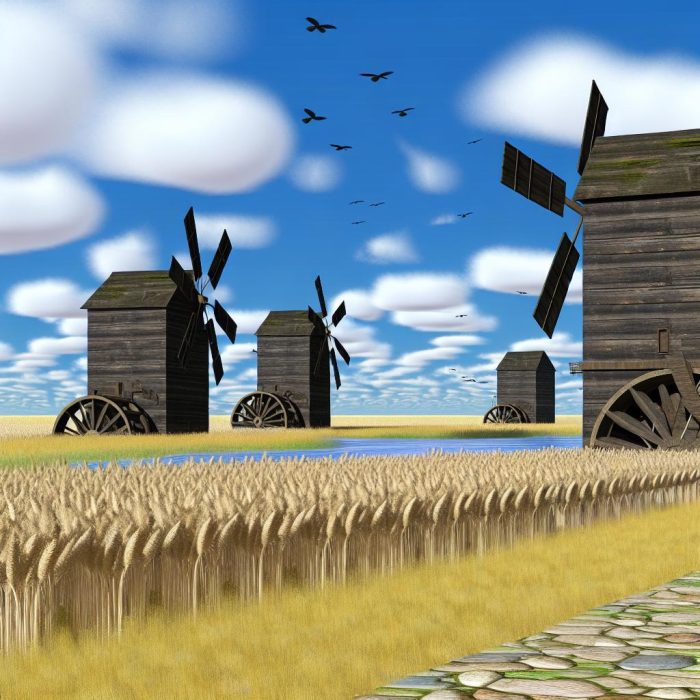
The fascinating history of windmills begins in Persia around 500-900 AD, where they were first employed in the form of simple machines designed to aid in everyday tasks like grinding grain and drawing water. Their utility quickly became apparent, and the concept spread across continents. By the 12th century, windmills had made their way to Europe, where they became integral to agricultural productivity. These devices were critical in a time when mechanized power sources were virtually nonexistent.

Evolution of Design

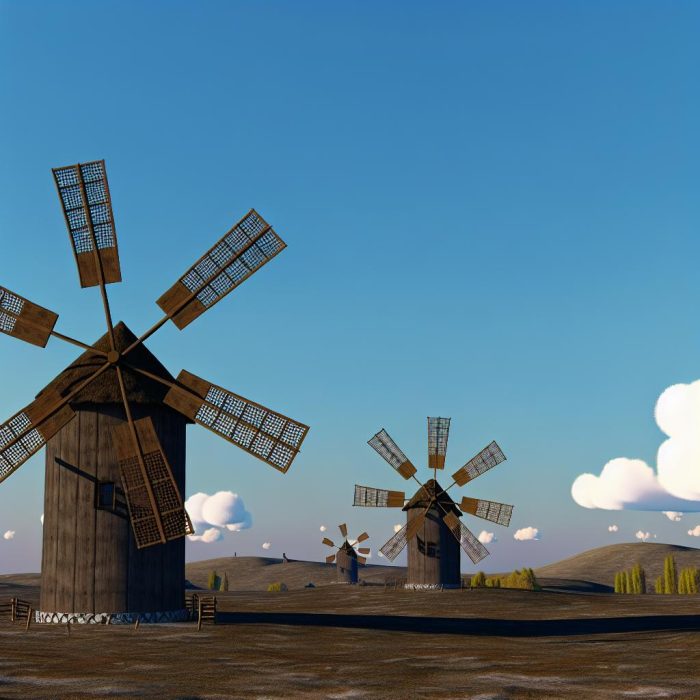
Initially, windmills were built with vertical sails crafted from materials such as reed matting or fabric. This basic design, while effective, had its limitations. As the centuries progressed, so too did the advancements in engineering windmills. European models developed a distinct architectural style that featured horizontal sails connected to a vertical shaft. This adjustment was a significant leap forward, increasing the efficiency by maximizing the wind’s energy capture.

Types of Windmills

Windmills have diversified into various designs over the centuries, yet they generally fall into two primary categories:

Post Mills: These early European windmills are notable for their compact design, which allowed the entire structure to pivot around a central post to face the wind. This adaptability made them highly efficient in regions where wind direction frequently changed.

Tower Mills: A more advanced design than the post mill, the tower mill’s innovation lay in its fixed cylindrical or conical structure. Only the rotating cap atop the tower would turn to catch the wind, making it much more stable and capable of bearing larger sails, thereby increasing the milling capacity.

Modern Applications

Today, traditional windmills have evolved into the sophisticated machines known as wind turbines, which play a crucial role in the generation of clean electricity. While they operate on the same basic principles, modern turbines are meticulously engineered to optimize wind energy conversion more efficiently than their predecessors.

As global awareness of environmental issues grows, wind energy production has expanded significantly. It is recognized for its sustainability and minimal environmental impact compared to fossil fuels. Many countries are channeling resources into developing wind farms to lower carbon emissions and reduce reliance on non-renewable energy sources. Numerous governmental and private entities offer extensive information on advancements in wind energy technology, sharing best practices and innovation insights worldwide.

Environmental Impact

The environmental advantages of windmills, and by extension, wind turbines, are substantial. They exemplify a clean energy source since they do not emit pollutants during operation. Their design also allows for dual-purpose land use, integrating with agricultural activities without interfering with land productivity.

Considerations

Despite these benefits, wind installations are not without their challenges. It is vital for planners to assess environmental factors meticulously. The positioning of turbines must account for avian flight paths and local wildlife to minimize ecological disturbances. Ongoing research and development efforts are focused on creating innovations like bladeless turbines, which aim to mitigate potential impacts on wildlife while maintaining energy efficiency.

Conclusion

From their humble beginnings as devices for milling grain and drawing water, windmills have become a cornerstone of renewable energy technology. The ongoing enhancement of wind turbines underscores the essential role of clean energy solutions in today’s world. As humanity continues to face global energy challenges, windmills, both old and new, illustrate the enduring power of human ingenuity, paving the way for a sustainable future.

Types of Mills

Watermills

The History of Watermills

Watermills have served as vital components in the advancement of human civilization by providing a dependable source of mechanical power for numerous industrial applications. The inception of watermills can be traced back to the ancient civilizations of Greece and Rome, where they were primarily utilized for grinding grain. These early watermills exploited the kinetic energy of flowing water to rotate a millstone, a technique that subsequently propagated throughout Europe and Asia.

The Mechanism of a Watermill

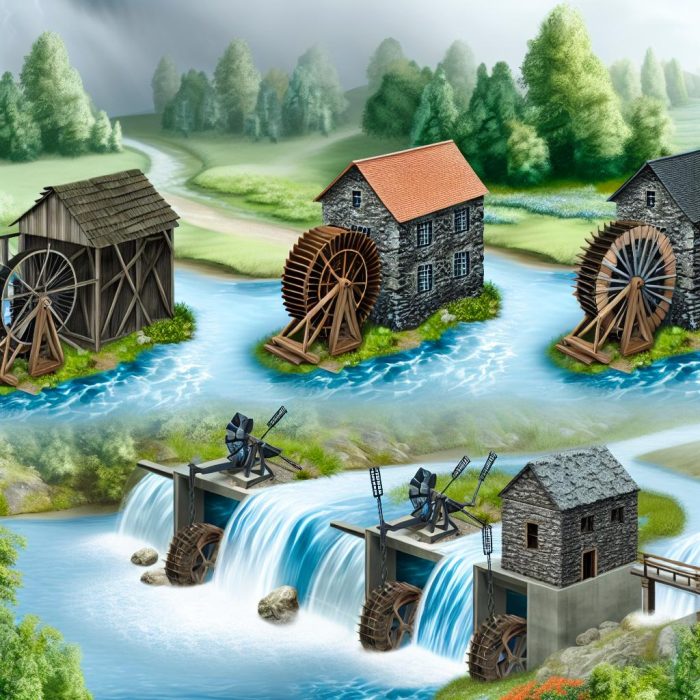
Central to every watermill is a straightforward yet efficient mechanism: the waterwheel. This wheel, which may be oriented either vertically or horizontally, transforms the energy of flowing water into mechanical power. The waterwheel is generally linked to a drive shaft and a sequence of gears that convey the motion to the mill’s internal machinery, like millstones or saws.

Vertical waterwheels, often referred to as overshot or undershot wheels, operate on the principle of water cascading over or streaming beneath the wheel. In contrast, horizontal wheels are driven by water impinging against the wheel’s blades, which was a common setup in regions with limited water flow.

Advantages of Watermills

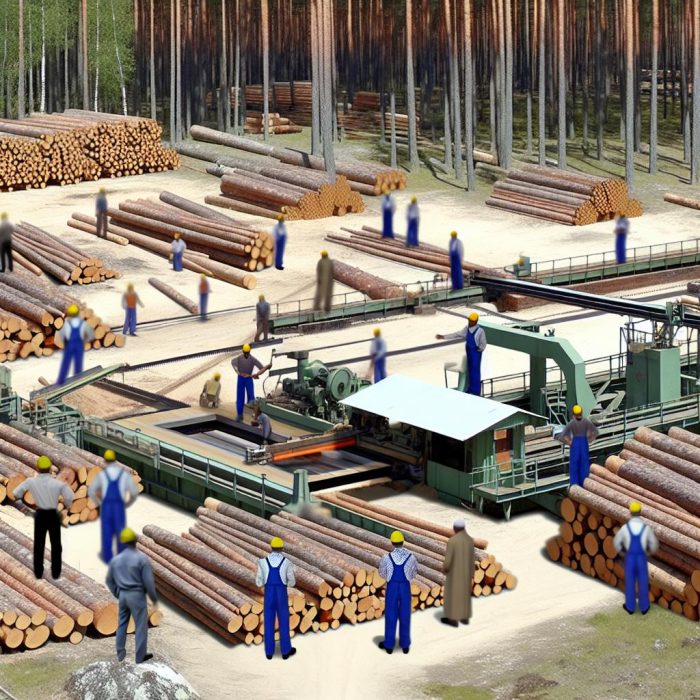
Watermills conferred multiple advantages over manual labor and alternative mechanical power sources. They offered a more stable and productive approach to tasks such as milling grain, sawing wood, and various material processing activities, when compared to human or animal effort. Additionally, watermills alleviated the physical burden on workers by automating labor-intensive tasks, thereby augmenting productivity across different sectors.

The Spread and Decline of Watermills

During the Middle Ages, the proliferation of watermills was particularly notable throughout Europe. These structures were especially common in areas possessing ample water sources, like rivers and streams. Watermills played a pivotal role in enhancing agricultural output, textile production, and even metallurgical operations.

Nevertheless, the advent of the industrial revolution heralded new sources of energy, such as steam power and, ultimately, electricity. Consequently, many watermills were gradually forsaken or repurposed, as they struggled to compete with the superior efficiency and power output of these burgeoning technologies.

Watermills Today

In modern times, the scenic charm and historical value of watermills have established them as important cultural landmarks. Numerous watermills that have been preserved are now highly frequented tourist attractions, providing visitors with a snapshot of the past. Several of these have even been restored to full working condition, showcasing traditional milling techniques to those interested.

Those looking to explore further can find extensive resources on watermills through various historical societies or websites devoted to industrial heritage. For additional insights, one might consider sources such as the Farm Collector and other historical records that explore the sophisticated mechanics and history behind these captivating machines.