Deprecated: Function WP_Dependencies->add_data() was called with an argument that is deprecated since version 6.9.0! IE conditional comments are ignored by all supported browsers. in /home/thelittlemillco/public_html/wp-includes/functions.php on line 6131
Sustainabilty Archives ~ The Little Mill
Sustainabilty

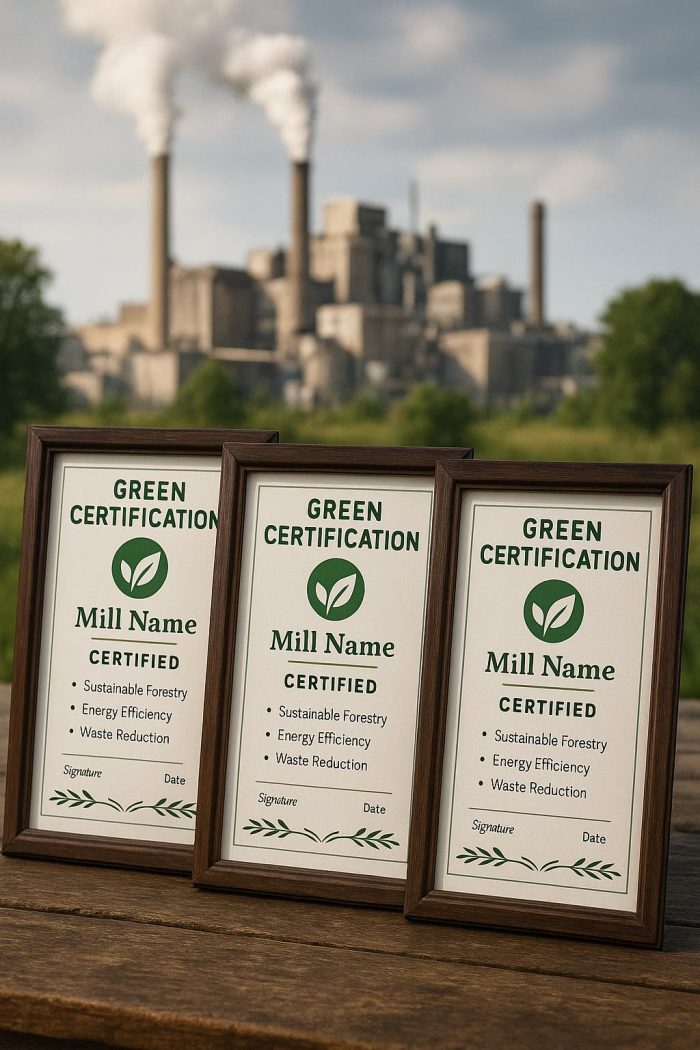
Green certifications for mills

Understanding Green Certifications for Mills

In the contemporary manufacturing landscape, there is an increasing demand for businesses to embrace sustainable practices. This shift is largely driven by a combination of regulatory pressures, consumer awareness, and the broader global commitment to mitigating environmental impacts. One noteworthy way through which mills in the manufacturing sector are responding to this call is by seeking and achieving green certifications. These certifications do not only serve to bolster the credibility and reputation of a mill but also demonstrate adherence to environmental standards aimed at minimizing carbon emissions and conserving natural resources.

What Are Green Certifications?

Green certifications are formal recognitions bestowed upon companies that satisfy specific environmental, social, and economic sustainability benchmarks. Typically awarded by independent third-party organizations, these certifications might encompass a wide range of operational aspects or focus on specific segments of a mill’s activities. The principal aim of these certifications is to encourage environmentally responsible practices that lessen the adverse effects on the planet.

Importance of Green Certifications

Securing a green certification signals a company’s robust commitment to sustainability. It assures consumers, investors, and regulatory bodies that the company is conducting its business in an environmentally responsible manner. Moreover, these certifications facilitate the opening of new market opportunities and can culminate in cost reductions due to efficient management of resources.

Standards and Criteria

Acquiring a green certification entails a comprehensive assessment of a mill’s processes and activities. These evaluations may investigate areas such as energy consumption, waste management strategies, water usage, and the mill’s collective environmental impact. Widely recognized standards are set by organizations such as the Environmental Protection Agency (EPA), Leadership in Energy and Environmental Design (LEED), and the Forest Stewardship Council (FSC). These organizations provide frameworks and guidelines for evaluating the extent of a company’s sustainable practices.

Benefits of Obtaining a Green Certification

Securing a green certification offers numerous advantages for mills, such as:

Improved Marketability: Certified mills can fully leverage their eco-friendly status both domestically and internationally. This is increasingly appealing to consumers who prioritize environmental sustainability in their purchasing decisions. Certification helps these mills stand out in the crowded market and cultivates a loyal customer base.

Regulatory Compliance: Green certifications play a critical role in ensuring that mills abide by government regulations and industry standards, effectively mitigating the risk of incurring legal penalties. The alignment with regulatory requirements can also prevent disruptions in operations related to compliance issues.

Cost Efficiency: By optimizing the use of resources and minimizing waste generation, mills can significantly reduce their operational costs. This efficiency not only strengthens the financial standing of the mill but also reinforces its commitment to resource conservation.

Innovation and Leadership: Striving for green certification often necessitates the adoption of innovative technologies and processes. Consequently, mills can position themselves as pioneers and leaders within their industry, setting a benchmark for others to follow.

Popular Green Certifications

Mills across various sectors can pursue certifications that correspond with their particular operational needs and aspirations. Some of the well-established certifications include:

  • ISO 14001: This certification emphasizes the development of effective environmental management systems. It is widely recognized and applied across numerous industries.
  • LEED Certification: Most relevant to mills involved in construction materials and building sectors, LEED certification underscores sustainable building and operational practices.
  • FSC Certification: Aimed particularly at paper and forest product industries, the FSC certification guarantees that products originate from responsibly managed forests, thus promoting sustainable forestry practices.

Achieving and Maintaining Certification

Securing a green certification involves a meticulous initial audit conducted by the certifying body. This comprehensive process assesses the mill’s manufacturing operations and policies to ensure compliance with the relevant sustainability standards. However, achieving certification is not a once-and-done effort. Certified mills must remain compliant with these standards and undergo regular evaluations to retain their certification status. This ongoing process demands a steadfast dedication to continuous improvement and the integration of emerging sustainability technologies and practices.

Conclusion

In conclusion, green certifications are instrumental in the evolution and modernization of mills worldwide. These certifications provide a structured and coherent framework for instituting sustainable practices that yield substantial environmental and economic advantages. For mills aspiring to lead in sustainability, pursuing the pertinent green certifications represents a strategic alignment of environmental stewardship with business success. These efforts culminate not only in enhanced operations but also aid in crafting a sustainable future that benefits both the business and the broader community.
Sustainabilty

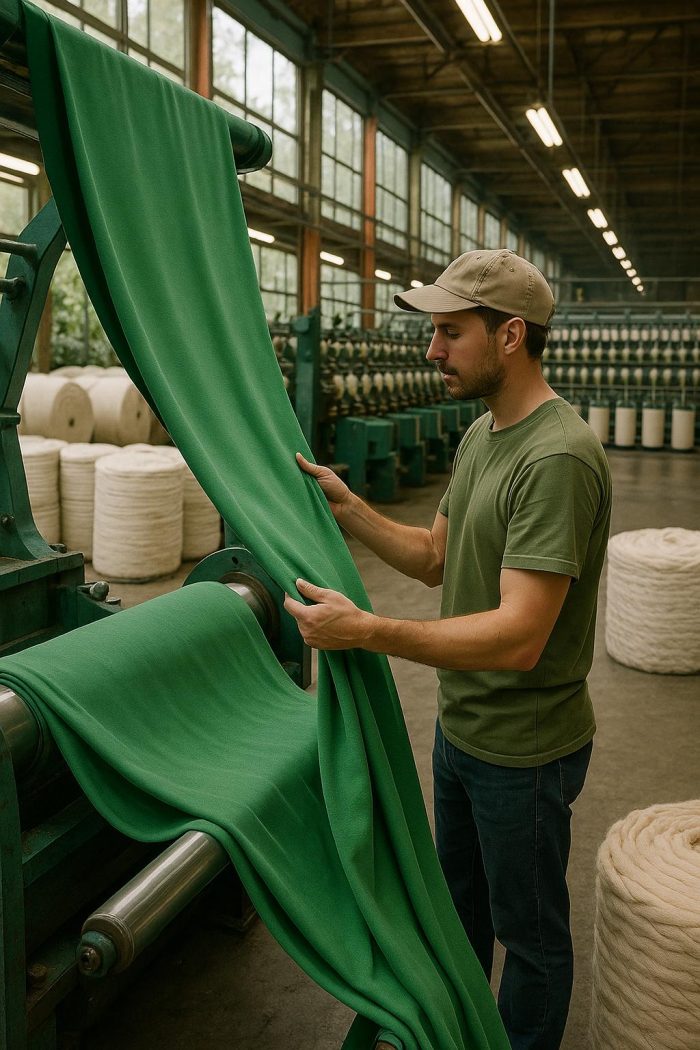
Sustainable textile production in mills

Sustainable Practices in Textile Production

The textile industry stands as a significant contributor to environmental pollution and resource depletion. As concerns regarding environmental sustainability become more pronounced, the evolution of the textile industry towards sustainable practices is accelerating. These sustainable practices are designed to reduce the ecological footprint of textile mills through various strategic adaptations.

Resource Efficiency

Optimizing the use of resources is a crucial element in the journey towards sustainable textile production. By implementing modern technologies, textile mills can make substantial reductions in their consumption of water, energy, and raw materials. For example, advancements in dyeing technology now enable textile manufacturers to consume less water and energy while still achieving high-quality color results.

Water Conservation Techniques

A significant focus within textile sustainability is on minimizing water usage, as the industry traditionally relies on significant water volumes, especially in dyeing and finishing phases. Sustainable practices involve the adoption of closed-loop water recycling systems and innovative waterless dyeing technologies. Not only do these methods conserve valuable water resources, but they also play a role in lessening the pollution of water bodies by preventing harmful chemical discharges. For readers interested in understanding more about these water-saving technologies, detailed information can be accessed here.

Energy Efficiency

Another pillar of sustainable textile production is the reduction in energy consumption. Incorporating energy-efficient machinery alongside the use of alternative and renewable energy sources such as solar and wind power allows textile mills to significantly curb their carbon emissions. This approach not only brightens the environmental landscape but also provides economic benefits by reducing operational costs in the long run.

Use of Sustainable Fibers

Selecting sustainable raw materials is an essential strategy in sustainable textile production. Mills are increasingly leaning towards fibers such as organic cotton, hemp, bamboo, and recycled polyester. These sustainable fibers are distinguished by their lower resource requirements and minimal environmental impact when compared to conventional materials. This shift towards greener raw materials forms a critical part of a holistic approach to an eco-friendly supply chain, enhancing the overall sustainability credentials of the industry.

Chemical Management

Chemical usage in the textile production process presents substantial risks to both the environment and human health. Implementing advanced chemical management systems is crucial to address these concerns. This involves selecting safer, more biodegradable chemicals and minimizing chemical waste through enhanced process controls. The Zero Discharge of Hazardous Chemicals (ZDHC) program offers valuable guidelines for responsible chemical management, encouraging textile mills to adopt safer practices.

Waste Reduction and Recycling

Effective waste management is a foundational aspect of sustainable textile production. Textile manufacturers can significantly cut down waste by exploring methodologies like circular design, which promotes recycling and the reuse of materials. Moreover, the adoption of sustainable packaging solutions adds an additional layer of environmental protection by reducing material waste.

Sustainable Certifications and Standards

The adoption of recognized certifications and adherence to industry standards have a profound effect on enhancing the sustainability of textile production. Certifications such as the Global Organic Textile Standard (GOTS) and OEKO-TEX® set forth environmental and social criteria for textile products, urging manufacturers to continually improve their operations. These certifications not only provide a structured pathway for sustainable practices but also better position textile products in the market as environmentally and socially responsible choices.

Conclusion

In summary, the pursuit of sustainable textile production is a multifaceted endeavor encompassing the efficient use of resources, adoption of sustainable fibers, sound chemical management, and adherence to stringent certifications and standards. By embracing these practices, textile mills can significantly mitigate their environmental impact and make a meaningful contribution towards a more sustainable and equitable future. For a more comprehensive exploration of sustainable textile production practices, further resources are available and can be accessed here.

Sustainabilty

Mills and carbon emissions

The Impact of Mills on Carbon Emissions

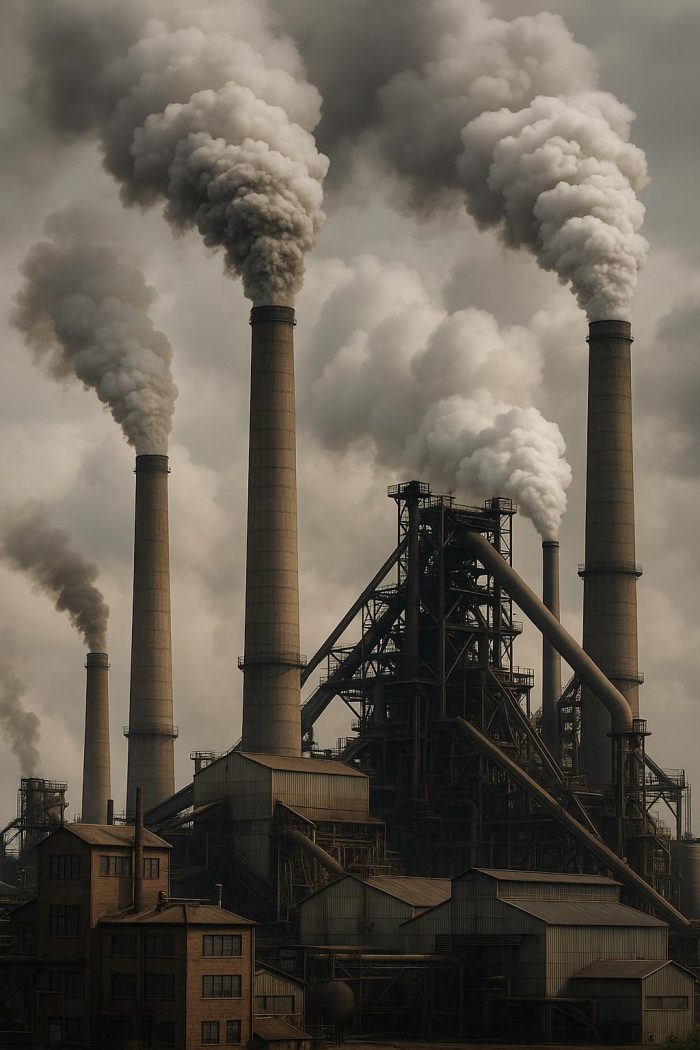
The industrial sector, encompassing a wide range of activities including milling operations, is a notable contributor to carbon emissions on a global scale. Mills, as a vital element of this sector, are integral to transforming raw materials into finished products. The processes involved in milling, however, often lead to significant carbon emissions, which have notable environmental consequences. This document elaborates on the impact of mills within the broader context of carbon emissions, explores the key contributors to these emissions, and examines ongoing efforts to mitigate their impact.

Understanding Carbon Emissions from Mills

Mills can show a great deal of variety in their functions, capacities, and areas of specialization. They can range from small-scale, community-focused grain mills to expansive, capital-intensive industrial plants like those in the paper or steel sectors. Despite these differences, most mills share a common trait: the use of energy-intensive processes. These processes frequently involve the combustion of fossil fuels such as coal, oil, and natural gas. The burning of these fossil fuels leads to the release of carbon dioxide (CO2), a prominent greenhouse gas that plays a central role in the phenomenon of climate change.

Factors Contributing to High Emissions

Multiple elements contribute to the elevated levels of carbon emissions associated with mill operations:

1. Energy Use: The operation of mills, particularly larger ones, demands vast amounts of energy. This energy is critical to running industrial machinery and sustaining production targets. The prevalent reliance on energy derived from fossil fuels remains a primary driver of carbon emissions in this context.

2. Efficiency of Technology: A significant number of mills continue to operate with outdated technological frameworks. These older technologies tend to be less efficient, resulting in a higher output of emissions compared to modern, state-of-the-art counterparts that implement the latest advancements in machinery and equipment.

3. Production Volume: There is typically a direct correlation between the volume of production in large industrial mills and their energy use. As production scales increase, so too does the energy demand, which often leads to a corresponding rise in carbon emissions.

Efforts to Reduce Emissions

Efforts to mitigate the environmental impact of mills largely focus on reducing their carbon footprint. Strategies being employed include:

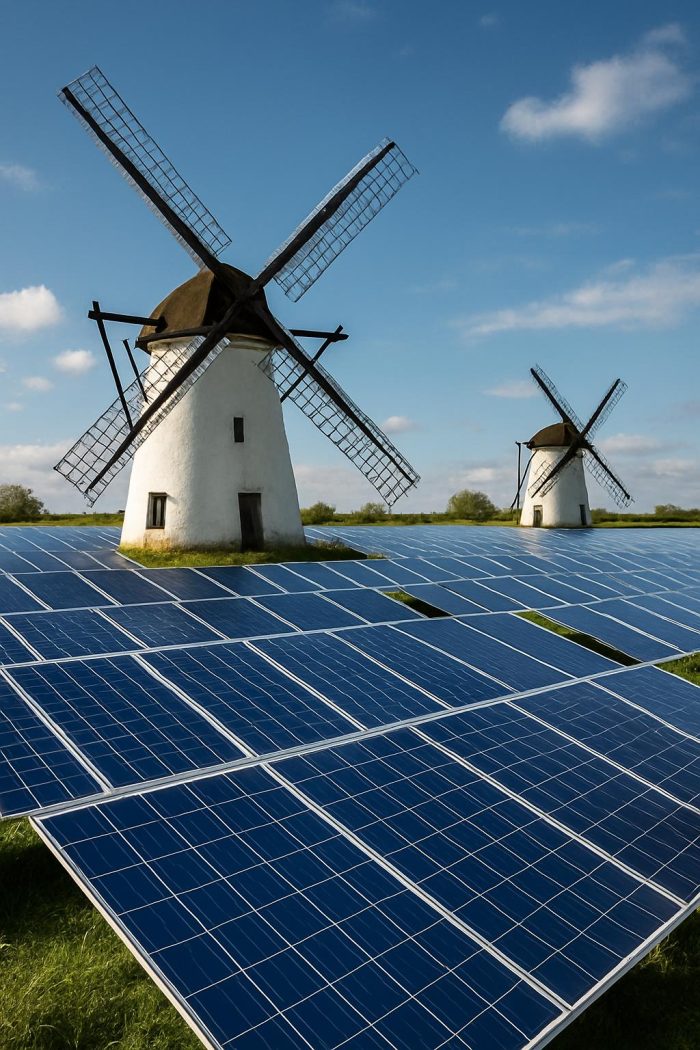
Adoption of Renewables: An increasing number of mills are transitioning from fossil fuels to renewable energy sources, such as solar and wind power, to fuel their operations. This pivot substantially decreases their reliance on traditional fossil fuels and helps in cutting down emissions.

Energy Efficiency Improvements: Technological upgrades play a crucial role in reducing emissions. By modernizing machinery and refining production techniques, mills can significantly cut down on energy consumption. The adoption of equipment integrated with advanced energy-efficiency technologies presents a significant opportunity for reducing overall emissions.

Carbon Capture and Storage (CCS): An advanced and promising technological solution, CCS involves capturing CO2 emissions before they have a chance to enter the atmosphere. The captured carbon is then stored underground, thereby preventing it from contributing to atmospheric greenhouse gas levels.

Legislation and Carbon Emissions

Regulatory frameworks and legislative measures are key drivers in promoting efforts to curb emissions. Many government bodies have begun to enforce regulations that establish strict emission caps and provide various incentives to industries for integrating cleaner technologies into their operations. Furthermore, international treaties and agreements, such as the Paris Agreement, serve as guiding frameworks for countries worldwide. These agreements aim to steer global industry, including milling operations, toward more sustainable and environmentally considerate practices. Industries are increasingly called upon to evaluate and reduce their environmental impacts.

The journey toward achieving equilibrium between industrial productivity and environmental stewardship is critical. As global awareness of sustainability issues heightens, mills, along with other industrial sectors, are being driven to innovate and explore new ways of reducing their carbon emissions. This exploration and innovation must happen while maintaining their core responsibilities within the global economic framework.

For further exploration into the impacts and methodologies surrounding energy use and carbon emission reductions in the industrial sector, reference materials from leading organizations such as the International Energy Agency and the United States Environmental Protection Agency provide insightful guidance. These resources furnish valuable insights and data that inform the ongoing transformation toward more sustainable industrial practices.

Sustainabilty

Recycling in paper mills

Introduction to Recycling in Paper Mills

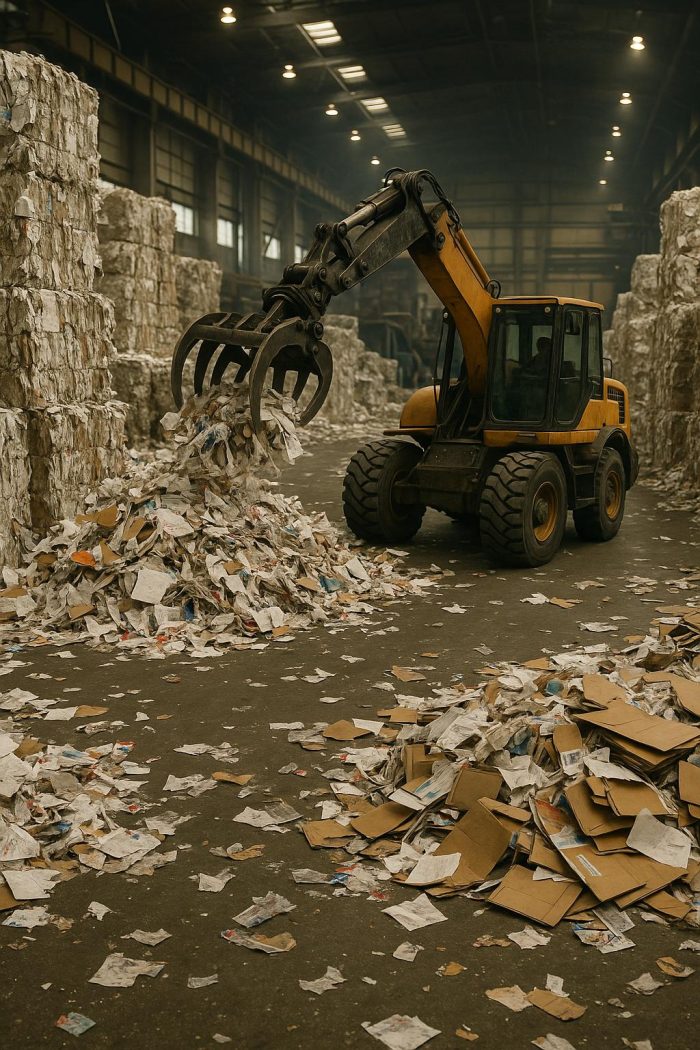
Recycling in paper mills forms a cornerstone of contemporary waste management and environmental conservation strategies. At its essence, this process transforms waste paper into new products, significantly mitigating the necessity for raw material harvesting and consequently minimizing the ecological footprint. This comprehensive exploration delves into the methodologies, benefits, and challenges associated with recycling activities in paper mills.

The Recycling Process

The journey of paper recycling consists of multiple, intricate steps that metamorphose used paper into reusable materials. The journey commences with the collection and sorting of waste paper. Such paper is subsequently conveyed to recycling facilities, progressing through a sequence of processes:

Pulping: Initially, the collected paper undergoes a pulping process, wherein it is amalgamated with water and chemicals to disintegrate it into cellulose fibers. This mixture yields a slurry termed as pulp.

Screening and Cleaning: Following pulping, the pulp is subjected to screening processes that extricate contaminants – primarily inks, adhesives, and plastics.

De-inking: For recycled paper necessitating ink removal, the pulp undergoes a de-inking procedure which employs flotation and washing techniques to eliminate ink.

Bleaching: In certain cases, to attain a requisite level of brightness and eradicate residual color, the pulp may be subjected to bleaching.

Papermaking: Conclusively, the purified and processed pulp is molded into sheets and dried, culminating in recycled paper products prepared for either commercial or consumer applications.

Benefits of Recycling in Paper Mills

The recycling process is laden with numerous environmental and economic advantages, both holding significant prominence.

Environmental Impact: Through recycling, there is a diminished need for raw materials, thereby contributing to forest conservation and reducing habitat destruction. Additionally, it scales down energy consumption and pollution in stark contrast to the creation of paper from virgin fibers.

Economic Benefits: Employing recycled materials can amplify cost-efficiency in production and lessen dependency on landfill space. Paper mills embracing recycling practices may also gain from governmental incentives and foster a favorable corporate image, aligning with contemporary consumer expectations of sustainability.

Challenges in the Recycling Process

Despite its numerous advantages, paper recycling is marred by certain obstacles, necessitating strategic maneuvers.

Contamination: The presence of contaminants in collected paper can obstruct and inefficacious the recycling process. Strict adherence to sorting and cleaning protocols is critical in upholding high quality standards.

Market Demand: The volatile market demand for recycled paper can stifle the profitability of recycling endeavors. Ensuring a steadfast demand necessitates innovative marketing strategies and evolution in recycled paper product offerings.

Conclusion

Recycling within paper mills holds pivotal importance in propelling sustainable waste management and resource conservation. By reshaping waste into valuable commodities, recycling endeavors significantly reduce the ecological footprint ingrained within the paper industry. To explore further into sustainable measures in paper production, visit Sustainable Paper Resources.

This discourse accentuates the complex processes that underpin recycling, illuminating the plethora of benefits it encompasses, alongside tackling the inherent challenges. The pursuit of enhancing the efficiency of recycling within paper mills remains a dynamic and crucial ambition, pivotal to cultivating an environmentally sustainable future, aligning with broader environmental conservation goals. The ongoing exploration and innovation within this domain promise a continued diminution of environmental strains rooted in paper production and consumption.

By fostering collective responsibility and encouraging widespread participation from both industries and consumers alike in recycling initiatives, the envisioned goal of a sustainable paper industry becomes increasingly attainable. With a collaborative approach, leveraging technological advancements and sound policies, the paper industry can stride towards minimizing environmental impacts and ushering a new era of responsible resource management.

Sustainabilty

Solar-powered mills

Introduction to Solar-Powered Mills

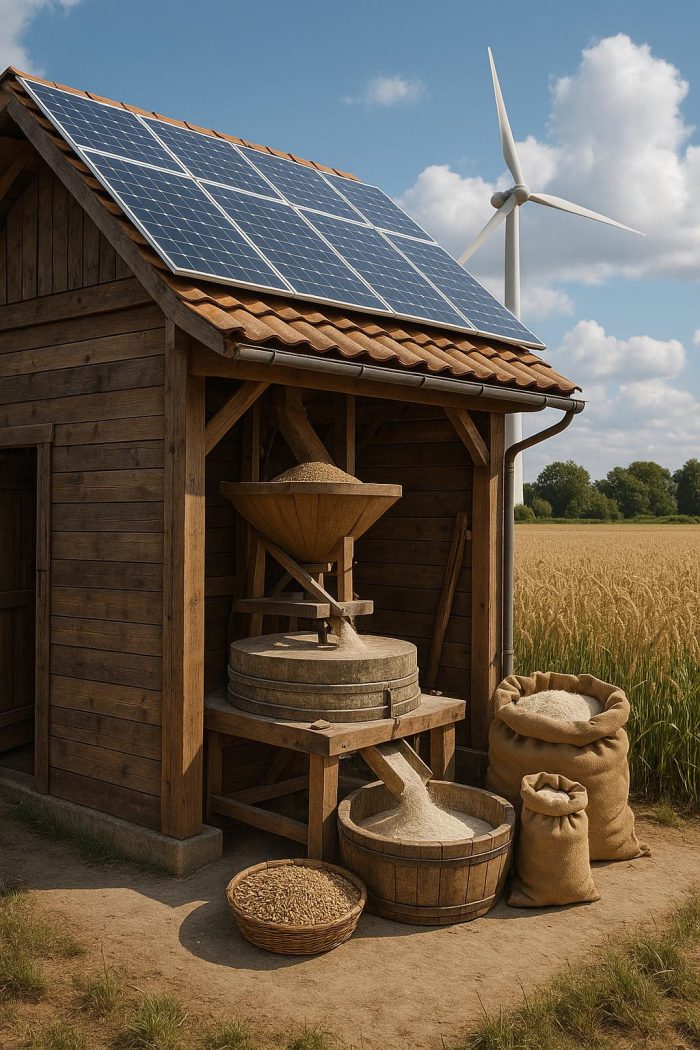
Solar-powered mills represent a transformative shift in agriculture and rural energy provision. By harnessing solar energy, these mills aim to address the challenges faced by communities with limited access to electricity, particularly in developing regions. Deploying sustainable and clean technology, solar-powered mills offer an innovative solution to milling needs, such as grinding grains, that were traditionally reliant on diesel-powered or manual mills.

How Solar-Powered Mills Work

At the heart of a solar-powered mill is the photovoltaic system that plays a pivotal role in converting sunlight into electricity. This system usually comprises three primary components: solar panels, a charge controller or inverter, and storage batteries.

Solar Panels: These components capture sunlight and generate direct current (DC) electricity. Solar panels are typically mounted at a specific angle to maximize sun exposure, ensuring optimal power generation throughout the day. Made up of numerous photovoltaic cells, these panels convert solar radiation into electrical energy, laying the groundwork for subsequent processing.

Inverter: The inverter is a crucial device that converts the generated DC electricity into alternating current (AC), which is suitable for powering the mill’s machinery. This conversion is essential because most agricultural milling equipment operates on AC. By facilitating this transformation, the inverter ensures that solar energy can effectively power the mill’s operations.

Batteries: In environments where sunlight may not always be consistent, the role of storage batteries becomes indispensable. These batteries store the excess energy generated during periods of high sunlight for use during low sunlight conditions or at night. This storage capability ensures the mill’s continuous operation irrespective of weather changes, thus maintaining a constant milling output.

By eliminating reliance on fossil fuels, solar-powered mills offer a sustainable way to meet daily milling demands.

Benefits of Solar-Powered Mills

The adoption of solar-powered mills brings forth numerous advantages that have a profound impact on local economies, food security, and environmental sustainability.

Environmental Impact: Solar energy is a clean source of power as it does not produce harmful emissions during electricity generation. By implementing solar-powered systems, communities can significantly reduce the carbon footprint associated with traditional milling methods that often rely on diesel engines. This shift not only helps in conserving the environment but also contributes to mitigating climate change impacts.

Cost Efficiency: One of the most appealing aspects of solar energy is its cost efficiency in the long run. Although the initial investment might be considerable, the operation costs post-installation are significantly lower. Unlike diesel fuel, which is subject to market fluctuations and price increases, sunlight is free. Communities utilizing solar-powered mills can enjoy stable and predictable energy costs, enhancing their economic resilience.

Reliability and Independence: Solar-powered systems provide a reliable power source, thus reducing dependency on erratic power grids or complex fuel supply chains. In many developing areas, electricity access is inconsistent, hampering industrial processes like milling. Solar mills, given their ability to store energy and function independently of grid power, offer a dependable alternative, empowering local communities to manage and sustain their milling activities autonomously.

Challenges and Considerations

Despite their considerable benefits, solar-powered mills encounter certain challenges that must be addressed to facilitate broader adoption.

Initial Investment: The upfront cost of setting up a solar-powered mill can be a significant barrier for many rural communities. To mitigate this issue, a range of financial solutions like subsidies, microfinancing, or governmental support can be explored. These options can make the technology more accessible, ensuring more widespread adoption.

Technical Maintenance: Like any energy system, solar-powered mills require regular maintenance to ensure efficient performance. This encompasses routine cleaning of solar panels to remove dust and debris, monitoring battery health, and checking electrical connections. Local operators require training and skill development to manage and maintain the systems effectively, which could involve both time and resource investment.

Location Specificity: The effectiveness of solar power systems greatly depends on the geographical location, especially in terms of sunlight exposure. Areas with limited sunlight or cloudy conditions might find solar technology less efficient. Therefore, it becomes essential to conduct a detailed site assessment to determine the feasibility of deploying solar-powered mills in specific regions.

For more detailed analysis of technologies in agriculture, further resources can be explored through specialized organizations such as the International Renewable Energy Agency or other industry leaders.

Conclusion

Solar-powered mills offer a sustainable, economical alternative to conventional milling methods, with significant potential to enhance rural livelihoods. By addressing the challenges of initial cost and technical requirements, these systems can significantly impact global efforts towards sustainable agricultural practices and energy independence. The continued innovation and investment in solar-powered technologies hold the promise of a cleaner, more self-reliant future for rural communities worldwide. As these technologies evolve, they are likely to become more affordable and efficient, making them a practical choice for more regions. By embracing solar-powered mills, communities can achieve greater resilience, environmental stewardship, and economic stability.

Sustainabilty

Eco-friendly grain milling practices

Introduction to Eco-Friendly Grain Milling

Grain milling serves as an essential component in the production of numerous food products. In this context, incorporating eco-friendly practices can play a pivotal role in enhancing environmental sustainability. The grain milling industry traditionally requires significant energy and resource consumption, which culminates in a considerable environmental impact. However, by integrating sustainable methodologies, it is possible to considerably alleviate this impact.

Sustainable Milling Technologies

Modern technological advancements pave the way for sustainable milling methods that balance efficiency with environmental consciousness. A fundamental advance is the harnessing of renewable energy sources to power milling operations. Prominent among these sources are solar and wind energies, each offering a viable means to reduce the carbon footprint of milling facilities. Additionally, the employment of energy-efficient machinery is instrumental in diminishing energy consumption throughout the milling processes.

As technology has advanced, so too have the options available for creating more energy-efficient equipment. This includes the development of automated systems designed to optimize energy use, ensuring that resources are allocated efficiently and sustainably. Furthermore, by employing smart technologies, facilities can monitor energy consumption in real-time, identifying areas for improvement and making adjustments accordingly.

Water Conservation Techniques

Water usage remains a critical element in grain milling, particularly in procedures such as cleaning and conditioning. The implementation of closed-loop water systems serves to significantly reduce overall water usage. These systems work by cleaning and recycling the water within the facility itself, minimizing wastage. This conservation method not only helps in reducing water consumption but also allows facilities to maintain consistent quality in water used for milling processes.

Employing dry milling techniques wherever feasible further diminishes reliance on water. Dry milling is characterized by its ability to process grains without the addition of water, thereby conserving water resources while still delivering the desired product quality. By reducing water dependency, facilities can optimize resource use and lessen the strain on local water supplies.

Waste Management and By-product Utilization

The generation of waste is another significant issue in grain milling. Effective waste management strategies are indispensable in crafting operations that are environmentally conscientious. One promising strategy involves converting milling by-products such as bran and germ into supplementary products like animal feed or biofuel. This approach not only reduces waste generated by the milling process but also creates additional product streams that contribute to economic sustainability.

Moreover, waste separation and recycling are vital aspects of eco-friendly milling. By categorizing materials based on their recyclability, milling plants can effectively streamline the recycling process, ensuring that as much material as possible is reused or repurposed. This practice not only diminishes waste production but also yields further environmental benefits by reducing the demands placed on landfills.

Local Sourcing and Supply Chain Improvements

Minimizing the environmental impact of grain milling involves refining supply chain strategies. Procuring grains from local farmers reduces transportation emissions, supporting local economies while lowering the carbon footprint associated with long-distance transport. By prioritizing local sourcing, milling operations benefit from fresher produce and contribute to regional food systems.

Partnerships with suppliers that practice eco-friendly farming methods are another integral component in promoting sustainable grain supply chains. These partnerships ensure a holistic approach to sustainability wherein every link in the supply chain is committed to environmental preservation. Such collaborations enable continuous improvements in farm-to-table processes and support a broader commitment to sustainability across the industry.

This emphasis on local and sustainable sourcing not only benefits the environment but also helps to safeguard against disruptions in the global supply chain. By minimizing dependency on distant suppliers, the industry can maintain stability and resilience in the face of unforeseen challenges.

By incorporating these eco-friendly grain milling practices, the industry can significantly reduce its environmental footprint without sacrificing efficiency and productivity. For further exploration of sustainable milling practices and technologies, engaging with resources from reputable environmental organizations and industry pioneers is recommended. These sources can offer critical insights and inspiration, driving continued innovation in eco-friendly grain milling. Through conscientious and committed efforts, the grain milling sector can achieve significant advancements in sustainability, benefiting both the environment and society at large.

Sustainabilty

Hydropower and watermills

Understanding Hydropower

Hydropower, also known as hydroelectric power, is one of the most prevalent forms of renewable energy used worldwide. This energy source cleverly takes advantage of the kinetic energy inherent in moving water. By using this natural flow, it generates electricity in a manner that is both efficient and sustainable. The process primarily relies on the energy of falling or moving water, which is converted into mechanical energy by turbines. This mechanical energy is then transformed into electricity by generators.

How Hydropower Works

In a typical hydropower configuration, structures such as dams are built across large rivers to form reservoirs or elevate the water level. The water stored at a height possesses potential energy due to gravity. When this water is released, it flows through turbines, setting them in motion and finally producing electrical power. This is commonly referred to as conventional hydropower.

Another noteworthy method is pumped-storage hydropower, which involves water being moved between two reservoirs situated at different elevations. This system stores energy for future use and releases it during peak demand times. During periods of low electricity demand, excess energy is used to pump water to the upper reservoir. When electricity demand is high, the stored water is released back to the lower reservoir, passing through turbines to generate power.

Benefits of Hydropower

Hydropower is hailed as a clean energy source because it generates power without producing direct emissions. Another advantage is its ability to provide a reliable and consistent power supply. This is largely due to the predictability of water flows, which can be influenced by seasons and rainfall but are generally stable over time.

Hydropower plays a critical role in grid stability and energy storage as well. It helps in balancing supply and demand by rapidly adjusting output to meet consumption needs. In this respect, hydropower is highly instrumental in managing fluctuations in energy demand and supply, contributing significantly to a stable energy grid.

Challenges and Considerations

Despite the clear advantages, hydropower projects present a range of challenges and considerations. The construction of dams and reservoirs can have a profound ecological impact, disrupting local ecosystems and wildlife habitats. This can lead to changes in fish populations and other aquatic life, serving as a significant environmental consideration.

Moreover, hydropower’s dependency on water supply exposes it to vulnerabilities associated with climate. Droughts and changes in precipitation patterns can significantly impact the ability of hydropower plants to generate electricity efficiently. With climate change becoming a growing concern, these vulnerabilities need to be addressed to ensure hydropower remains a reliable energy source.

Watermills: A Historical Perspective

Watermills have a rich history, dating back thousands of years. They were primarily used to grind grain into flour, representing one of the early forms of mechanical energy generation. Watermills utilize the energy of flowing or falling water, marking one of the earliest technologies to harness natural forces for productive use.

How Watermills Function

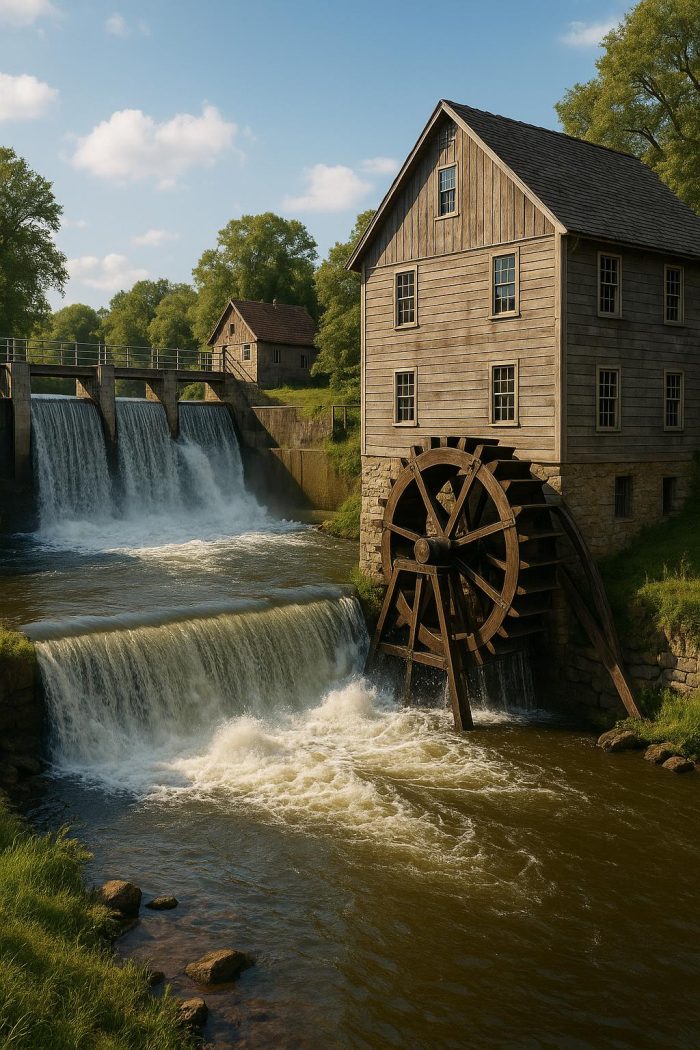
Traditional watermills operate by directing water through a channel known as a mill race to a large waterwheel. The force of the water turns the wheel, translating its kinetic energy into rotational energy. This rotational energy can be utilized for various mechanical processes, such as grinding grain into flour or cutting wood. Unlike modern hydropower setups, watermills typically harness smaller water flows, making them suitable for limited-scale applications compared to contemporary energy demands.

Types of Watermills

Watermills are generally categorized into two main types: horizontal wheel mills and vertical wheel mills. Horizontal wheel mills represent the earlier form of watermills, utilizing a wheel mounted horizontally. This style was common in ancient times and still persists in some traditional settings.

In contrast, vertical wheel mills are more modern and efficient. They employ a wheel mounted vertically, and are more commonplace now due to their enhanced efficiency and greater power output. Vertical wheel mills marked a significant advancement in water-based mechanical processes, paving the way for future innovations in water technologies.

The Transition from Watermills to Modern Hydropower

With technological advancements, watermills gradually lost their prominence as primary sources of energy production. As electricity and industrial demands grew, modern hydropower stations emerged as vastly more efficient and capable of producing significantly more energy than traditional watermills. These power stations leverage advanced technology and the principles of water energy conversion to meet the larger-scale energy needs of today’s societies.

Despite this shift, some watermills continue to function, primarily for historical preservation and small-scale production. These remaining watermills offer a glimpse into past technologies, highlighting the evolution of water energy usage over time.

To learn more about advancements in renewable energy and historical water technologies, you may find insightful information on the [U.S. Department of Energy’s Hydropower page](https://www.energy.gov/eere/water/hydropower-basics) or the resources provided by the [British Hydropower Association](http://www.british-hydro.org/). Both sources provide valuable insights into the evolution and future of water-based energy solutions.

Sustainabilty

Modern wind farms and windmills

Introduction to Modern Wind Farms

Modern wind farms stand at the forefront of our efforts to harness renewable energy sources. Unlike historical windmills, which were primarily dedicated to mechanical tasks like grinding grain or pumping water, contemporary wind farms are engineered with a focus on maximizing electrical output. These installations typically include a substantial number of wind turbines systematically arranged in clusters. These clusters can be found both onshore and offshore, strategically sited to take advantage of optimal wind conditions for energy production.

Components of a Wind Farm

Understanding modern wind farms necessitates knowledge of their essential components.

Wind Turbines: Dominant in appearance across any wind farm, wind turbines serve as the pivotal machinery designed to capture kinetic energy from the wind. This captured energy is transformed into mechanical power, which a generator then converts into electricity.

Substations: Once electricity is produced by the turbines, it must undergo transformation to a higher voltage to facilitate efficient transmission across power lines, a process carried out in substations.

Transmission Lines: These lines act as conduits, channeling the generated electricity to the grid, ensuring that it reaches end users seamlessly.

Wind Turbine Technology

The evolution of wind turbine technology has been transformative, propelled by scientific advancements and engineering ingenuity. Modern wind turbines are characterized by their impressive height and substantial blades, both features designed to capture more wind efficiently. The nacelle, a critical component, houses machinery integral to the turbine’s operation, including the gearbox and generator systems. The commitment to innovation is visible in the use of advanced materials and aerodynamic designs, which have significantly augmented turbine efficiency and longevity.

Onshore vs. Offshore Wind Farms

There are two main types of modern wind farms, onshore and offshore, each with its distinct advantages and challenges.

Onshore Wind Farms: Situated on land, these farms are generally less complex to build and maintain compared to their offshore counterparts. They are noted for their cost-effectiveness; however, they do face hurdles such as land use limitations and potential visual impacts on the landscape, which can influence public perception and acceptance.

Offshore Wind Farms: Constructed in aquatic environments, these farms benefit from more robust and consistent wind patterns. Nevertheless, they are associated with greater engineering challenges and require a higher investment at the outset. The complexity of construction in marine conditions and the technological demands in these harsher environments contribute to these increased costs.

Sustainability and Environmental Impact

The pivot to wind power is celebrated primarily for its positive environmental implications. Wind farms generate electricity without emitting carbon dioxide, thereby playing a crucial role in lowering greenhouse gas emissions when compared to traditional fossil fuel power sources. As wind is a renewable resource, wind energy is sustainable and lessens the dependency on finite energy sources.

Despite these substantial benefits, wind farms are not singularly advantageous. They can have ecological consequences, particularly concerning local wildlife. The infrastructure related to construction and operation can disrupt bird and marine ecosystems. To mitigate these environmental intrusions, wind farm developers implement strategies that include strategic site positioning and the development of technology designed to be more harmonious with natural habitats, such as bird-safe turbine technology.

Economic Considerations

The construction and operation of wind farms have a ripple effect on economies, catalyzing job creation in various sectors, from manufacturing to maintenance. This aspect is crucial for regions looking to enhance employment opportunities. Additionally, wind energy’s potential to stabilize electricity costs and reduce reliance on energy imports offers invaluable long-term economic benefits.

To drive and sustain investment in wind energy, various government incentives and subsidies play a pivotal role. These financial supports are designed to lower the economic barriers to entry for wind projects, encouraging a broader transition to renewable energy and the adoption of sustainable solutions.

Conclusion

Modern wind farms are more than just energy producers; they are pivotal to the broader strategy of transitioning towards renewable energy sources. Their development and expansion are crucial for achieving sustainability targets and minimizing environmental footprints. By embracing cutting-edge technological advancements, these farms continue to grow in both capacity and efficiency, establishing their place as a cornerstone in the global energy landscape. For comprehensive details on renewable energies and related discussions, further resources can be explored at energy.gov.