Introduction to Sustainable Mills
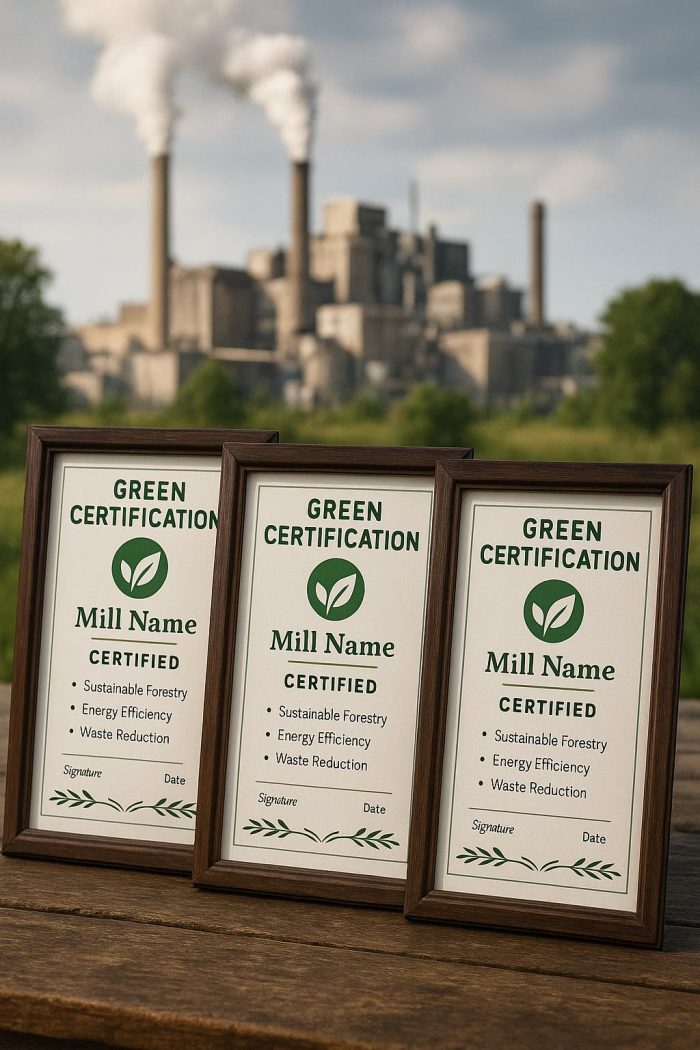
Sustainable mills have garnered significant global attention for their dual role in advocating environmentally friendly practices while ensuring economic viability. These innovative mills operate on principles designed to reduce environmental impact, optimize resource utilization, and provide socio-economic benefits to local communities. The range and type of sustainable mills are diverse, encompassing industries like textiles, paper production, and food processing. By integrating sustainability into their operations, these mills are redefining traditional industry practices and contributing significantly to ecological preservation.
Environmental Benefits
A cornerstone of sustainable mills is their commitment to environmental stewardship, particularly through their endeavors to reduce carbon footprints. They achieve this by optimizing energy use and implementing efficient waste management methodologies. One common strategy involves the adoption of renewable energy sources, such as solar panels, wind turbines, or biomass technologies. This switch markedly reduces dependence on fossil fuels, contributing to a lower overall environmental impact.
Beyond energy use, sustainable mills often prioritize water conservation through innovative techniques and closed-loop systems. These approaches significantly reduce water waste and promote the recycling of water within production processes. Reducing water consumption not only minimizes environmental degradation but also aligns with broader global efforts to conserve critical natural resources.
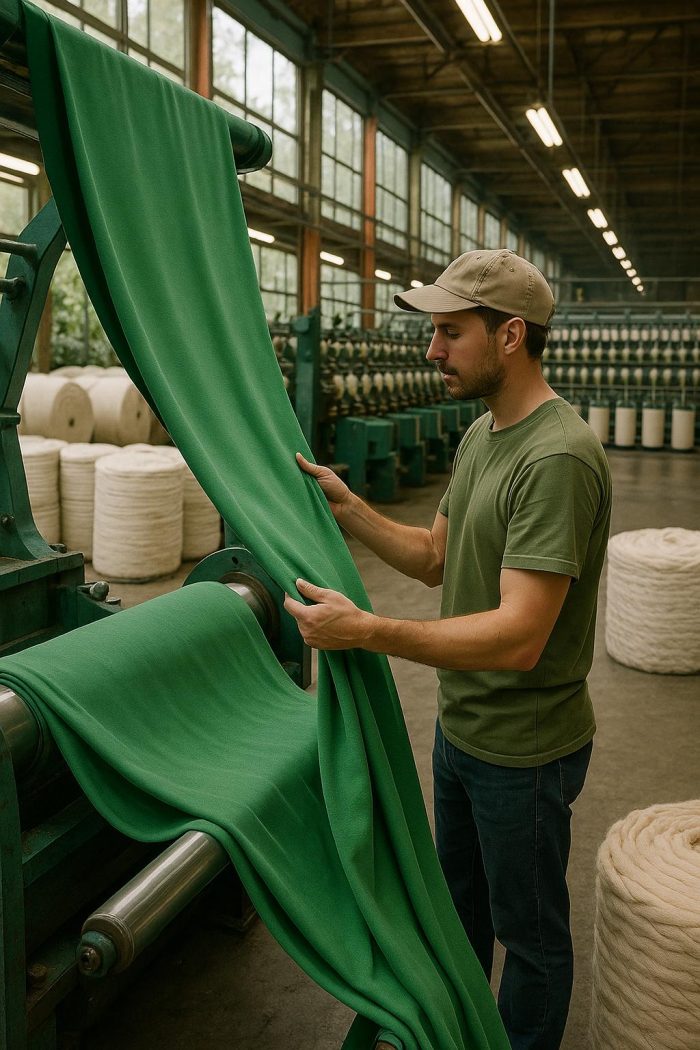
The initiative to reduce waste is another hallmark of sustainable mills. Many mills adopt comprehensive recycling programs aimed at reusing materials wherever possible. For instance, in the textile industry, some mills have developed methods to recycle fabric scraps effectively, thereby reducing contributions to landfills. By using biodegradable materials in production, sustainable mills further decrease their environmental impact, offering a model for circular economy principles.
Socio-Economic Impact
Beyond environmental considerations, sustainable mills exert profound socio-economic impacts, primarily through job creation and economic stimulation. By offering employment opportunities within their localities, these mills play a pivotal role in uplifting the quality of life for community members. Employing local residents not only sustains livelihoods but also empowers marginalized groups by promoting inclusive workspaces that cater to diverse demographics.
Sustainable mills also invest in community education and skill development. Engaging in training and capacity-building initiatives ensures workers augment their skillsets, enhancing employability within the industry. This focus on education fosters a skilled workforce capable of supporting the long-term sustainability objectives of the milling sector.
Community Engagement and Development
Active community engagement is a common characteristic of sustainable mills. These mills often establish partnerships with non-governmental organizations (NGOs) and local groups to tackle community-specific issues. Projects initiated through such collaborations may address various needs, including infrastructure development, healthcare access, and the enhancement of educational facilities.
By working closely with communities, sustainable mills can ensure their operations are in harmony with local ambitions and lifestyles. This cooperative approach not only fosters goodwill but also ensures mills operate with the backing of local stakeholders. As a result, community support often proves invaluable in enabling smoother business operations and enhancing overall project success rates.
Challenges and Opportunities
Despite the numerous advantages associated with sustainable mills, several challenges may arise. A significant barrier is the initial financial investment required for adopting sustainable technologies and practices. The cost can deter some businesses from making the transition, especially smaller enterprises with limited capital reserves. Moreover, achieving alignment between mill operations and community interests necessitates ongoing engagement and dialogue, which can prove resource-intensive.
However, the opportunities within the sustainable milling sector are immense. As consumer demand for environmentally responsible products grows, mills that pursue eco-friendly practices stand to gain a competitive advantage. Additionally, governments and international entities increasingly offer support and incentives for sustainable endeavors. Such backing can fuel progress and innovation, paving the way for substantial advancements in sustainable milling practices.
Conclusion
In summary, sustainable mills play a vital role in delivering environmental, economic, and social benefits to local communities. As the global focus on sustainability strengthens, these mills can become pivotal elements of local economic ecosystems. By confronting challenges head-on and capitalizing on emerging opportunities, sustainable mills contribute significantly to local community well-being. They also form an essential component of the broader global initiative towards sustainable development. For more insights and resources, readers may explore organizations dedicated to sustainability and eco-friendly manufacturing practices.