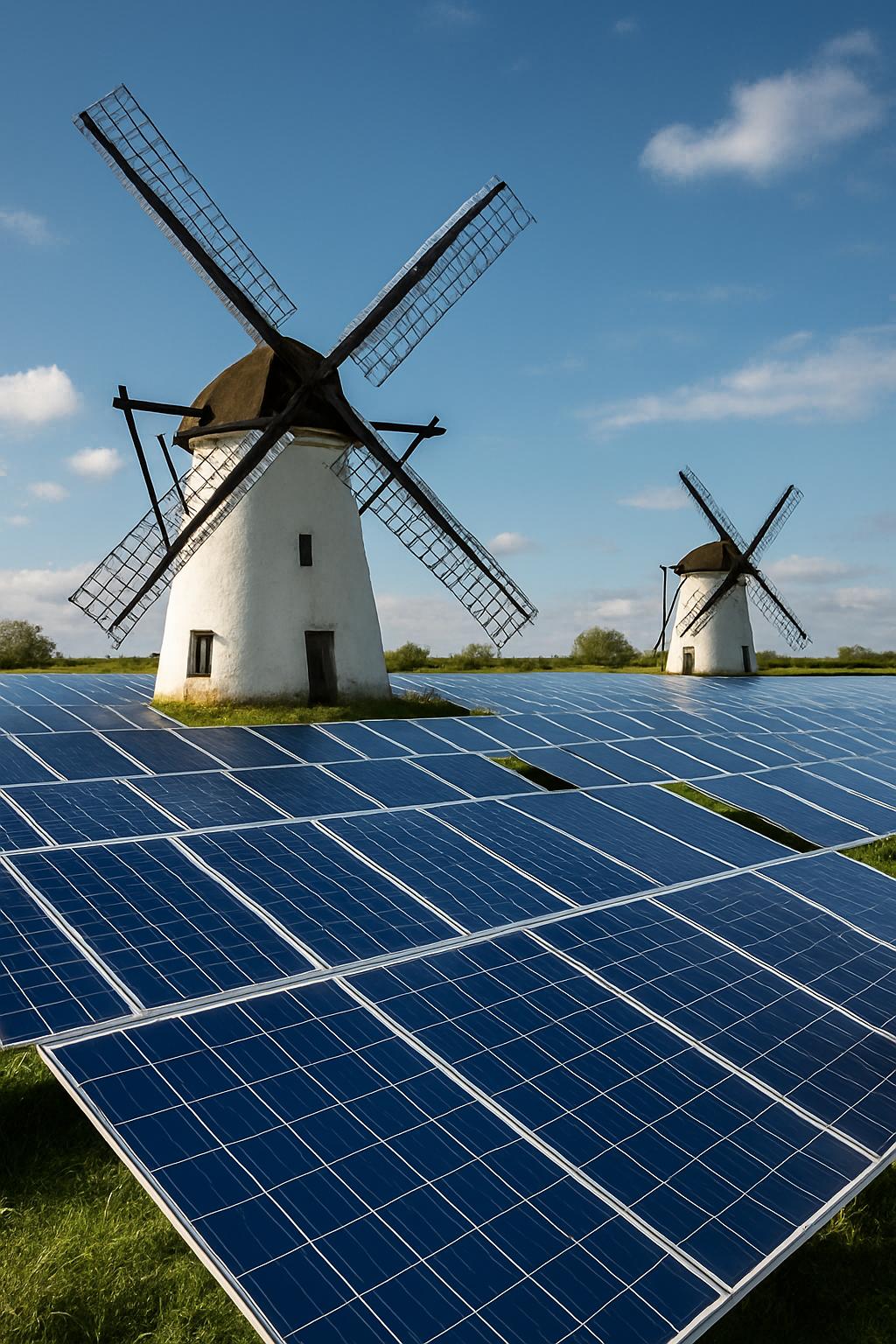
Introduction to Solar-Powered Mills
Solar-powered mills represent a transformative shift in agriculture and rural energy provision. By harnessing solar energy, these mills aim to address the challenges faced by communities with limited access to electricity, particularly in developing regions. Deploying sustainable and clean technology, solar-powered mills offer an innovative solution to milling needs, such as grinding grains, that were traditionally reliant on diesel-powered or manual mills.
How Solar-Powered Mills Work
At the heart of a solar-powered mill is the photovoltaic system that plays a pivotal role in converting sunlight into electricity. This system usually comprises three primary components: solar panels, a charge controller or inverter, and storage batteries.
Solar Panels: These components capture sunlight and generate direct current (DC) electricity. Solar panels are typically mounted at a specific angle to maximize sun exposure, ensuring optimal power generation throughout the day. Made up of numerous photovoltaic cells, these panels convert solar radiation into electrical energy, laying the groundwork for subsequent processing.
Inverter: The inverter is a crucial device that converts the generated DC electricity into alternating current (AC), which is suitable for powering the mill’s machinery. This conversion is essential because most agricultural milling equipment operates on AC. By facilitating this transformation, the inverter ensures that solar energy can effectively power the mill’s operations.
Batteries: In environments where sunlight may not always be consistent, the role of storage batteries becomes indispensable. These batteries store the excess energy generated during periods of high sunlight for use during low sunlight conditions or at night. This storage capability ensures the mill’s continuous operation irrespective of weather changes, thus maintaining a constant milling output.
By eliminating reliance on fossil fuels, solar-powered mills offer a sustainable way to meet daily milling demands.
Benefits of Solar-Powered Mills
The adoption of solar-powered mills brings forth numerous advantages that have a profound impact on local economies, food security, and environmental sustainability.
Environmental Impact: Solar energy is a clean source of power as it does not produce harmful emissions during electricity generation. By implementing solar-powered systems, communities can significantly reduce the carbon footprint associated with traditional milling methods that often rely on diesel engines. This shift not only helps in conserving the environment but also contributes to mitigating climate change impacts.
Cost Efficiency: One of the most appealing aspects of solar energy is its cost efficiency in the long run. Although the initial investment might be considerable, the operation costs post-installation are significantly lower. Unlike diesel fuel, which is subject to market fluctuations and price increases, sunlight is free. Communities utilizing solar-powered mills can enjoy stable and predictable energy costs, enhancing their economic resilience.
Reliability and Independence: Solar-powered systems provide a reliable power source, thus reducing dependency on erratic power grids or complex fuel supply chains. In many developing areas, electricity access is inconsistent, hampering industrial processes like milling. Solar mills, given their ability to store energy and function independently of grid power, offer a dependable alternative, empowering local communities to manage and sustain their milling activities autonomously.
Challenges and Considerations
Despite their considerable benefits, solar-powered mills encounter certain challenges that must be addressed to facilitate broader adoption.
Initial Investment: The upfront cost of setting up a solar-powered mill can be a significant barrier for many rural communities. To mitigate this issue, a range of financial solutions like subsidies, microfinancing, or governmental support can be explored. These options can make the technology more accessible, ensuring more widespread adoption.
Technical Maintenance: Like any energy system, solar-powered mills require regular maintenance to ensure efficient performance. This encompasses routine cleaning of solar panels to remove dust and debris, monitoring battery health, and checking electrical connections. Local operators require training and skill development to manage and maintain the systems effectively, which could involve both time and resource investment.
Location Specificity: The effectiveness of solar power systems greatly depends on the geographical location, especially in terms of sunlight exposure. Areas with limited sunlight or cloudy conditions might find solar technology less efficient. Therefore, it becomes essential to conduct a detailed site assessment to determine the feasibility of deploying solar-powered mills in specific regions.
For more detailed analysis of technologies in agriculture, further resources can be explored through specialized organizations such as the International Renewable Energy Agency or other industry leaders.
Conclusion
Solar-powered mills offer a sustainable, economical alternative to conventional milling methods, with significant potential to enhance rural livelihoods. By addressing the challenges of initial cost and technical requirements, these systems can significantly impact global efforts towards sustainable agricultural practices and energy independence. The continued innovation and investment in solar-powered technologies hold the promise of a cleaner, more self-reliant future for rural communities worldwide. As these technologies evolve, they are likely to become more affordable and efficient, making them a practical choice for more regions. By embracing solar-powered mills, communities can achieve greater resilience, environmental stewardship, and economic stability.