Overview of the Revitalization of Old Mills
Old mills, once dynamic centers of industrial craftsmanship and innovation, now stand as nostalgic reminders of a bygone era, embodying both cultural heritage and potential possibilities for future advancements in sustainable energy. Their robust architectural designs, advantageous locations, usually near reliable power sources like waterways or wind-prone areas, and existing infrastructure, offer extraordinary opportunities for modern-day applications, particularly in the field of renewable energy. By repurposing these historical edifices, we can significantly contribute to both sustainable development and the rejuvenation of the communities surrounding these sites.
The Historical Significance of Mills
Historically, mills were integral components of regional economies, primarily powered through natural resources such as wind or water. These mills facilitated a plethora of industries including grain milling, textiles, and the manufacture of paper goods. As industrial technology continued to evolve, many of these once-thriving mills were abandoned, falling into disuse. Despite this decline, their enduring and sturdy construction combined with strategic positioning proximate to natural power sources position old mills as ideal candidates for integration into contemporary renewable energy frameworks.
Renewable Energy Integration
Revitalizing these storied structures to harness renewable energy can involve multiple innovative strategies:
Hydropower: Many of these mills utilized water as their primary energy source and are conveniently situated along rivers or streams. By revitalizing these systems to incorporate updated turbines and generators, the mills can efficiently harness water flow to generate electricity.
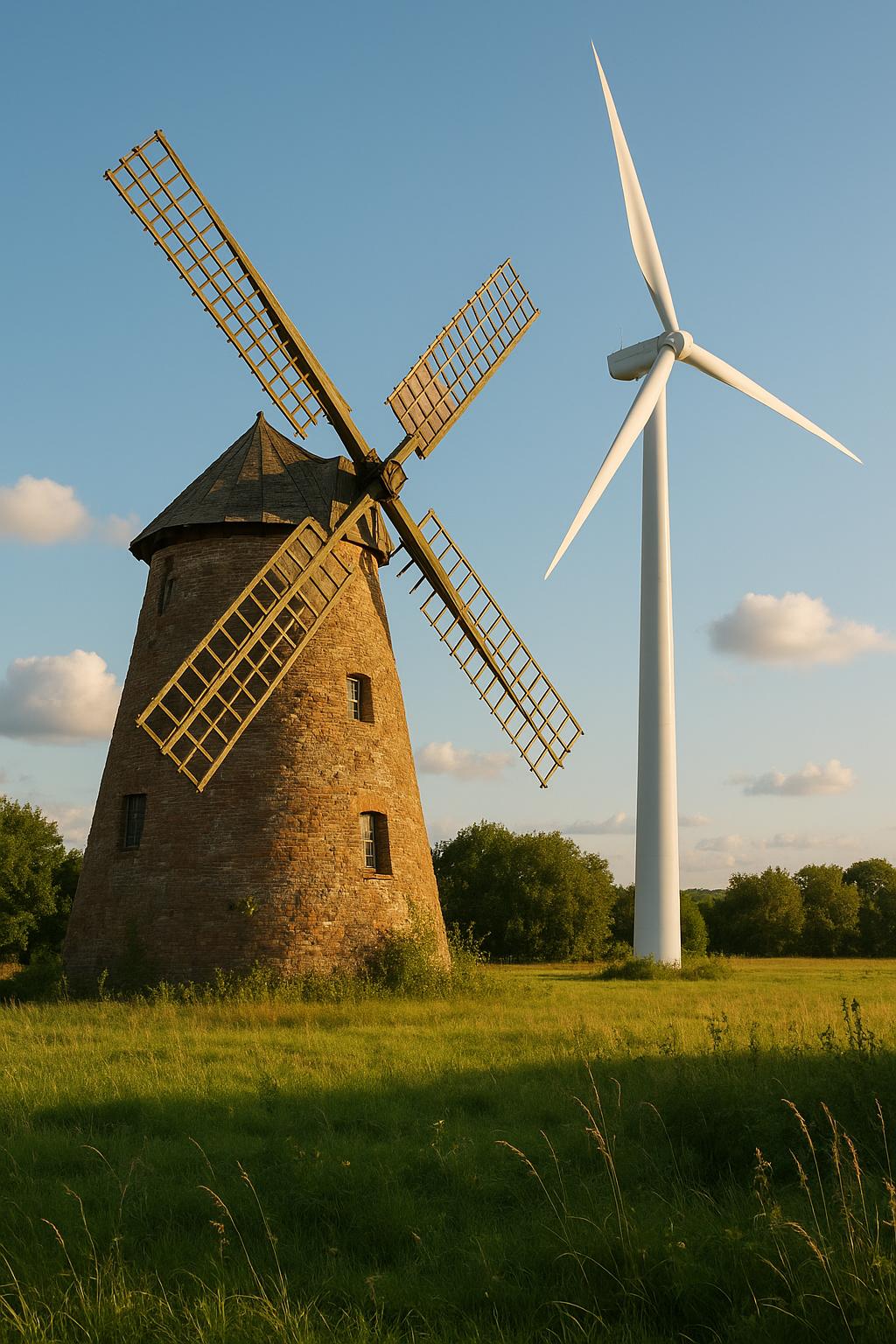
Wind Power: Other mills, strategically placed in areas with significant wind exposure, offer viable opportunities for wind energy conversion. These sites can potentially be equipped with modern wind turbines, thereby contributing to local and even regional energy needs.
Solar Energy: Although not historically used in the operation of traditional mills, the integration of solar energy represents a promising avenue. By installing photovoltaic panels on rooftops or adjacent lands, these structures can supplement their energy production, ensuring a consistent supply of renewable power.
Economic and Environmental Benefits
The restoration and adaptive reuse of old mills yield numerous economic and environmental benefits:
Economic Revitalization: Transforming old mills into renewable energy hubs can invigorate local economies by creating job opportunities in numerous related sectors such as construction, maintenance, and energy management. Moreover, these projects often attract tourists interested in witnessing the convergence of historical architecture and modern innovation.
Environmental Impact: A shift toward renewable energy in these projects helps decrease dependence on traditional fossil fuels, resulting in reduced emissions which play a crucial in mitigating climate change. In addition, the refurbishment of existing historical structures negates the need for new construction, working to preserve natural landscapes and resources.
Community Involvement and Case Studies
Building community involvement is pivotal in the successful execution of mill revitalization endeavors. Inclusion of local stakeholders in both the planning and execution phases ensures these initiatives not only meet the specific needs but also align with the intrinsic values of the community. Moreover, numerous organizations and governmental entities provide essential support and incentives aimed at fostering such sustainable projects.
For instance, the modernization of Channel Islands’ Le Moulin de Quétivel stands as a shining example of merging historical preservation and renewable energy generation. This particular mill not only operates as an educational center but also promotes understanding of the rich interplay between historical integrity and sustainable progression.
The revitalization efforts in examples such as Le Moulin de Quétivel highlight the immense potential of these aged structures as societal assets capable of spurring community growth and furthering sustainable energy generation initiatives. As regions across the globe acknowledge and explore the untapped potential harbored within these old mills, a future where such structures are once again central to local economies and dedicated sustainability efforts becomes increasingly plausible.
Through continued exploration of their multifaceted utility—from generating renewable energy to acting as community landmarks and educational centers—old mills present a unique convergence of the past and present, paving the way for a sustainable future that honors historical legacy while paving pathways for innovation and ecological responsibility.