The Rise of Textile Mills in Manchester
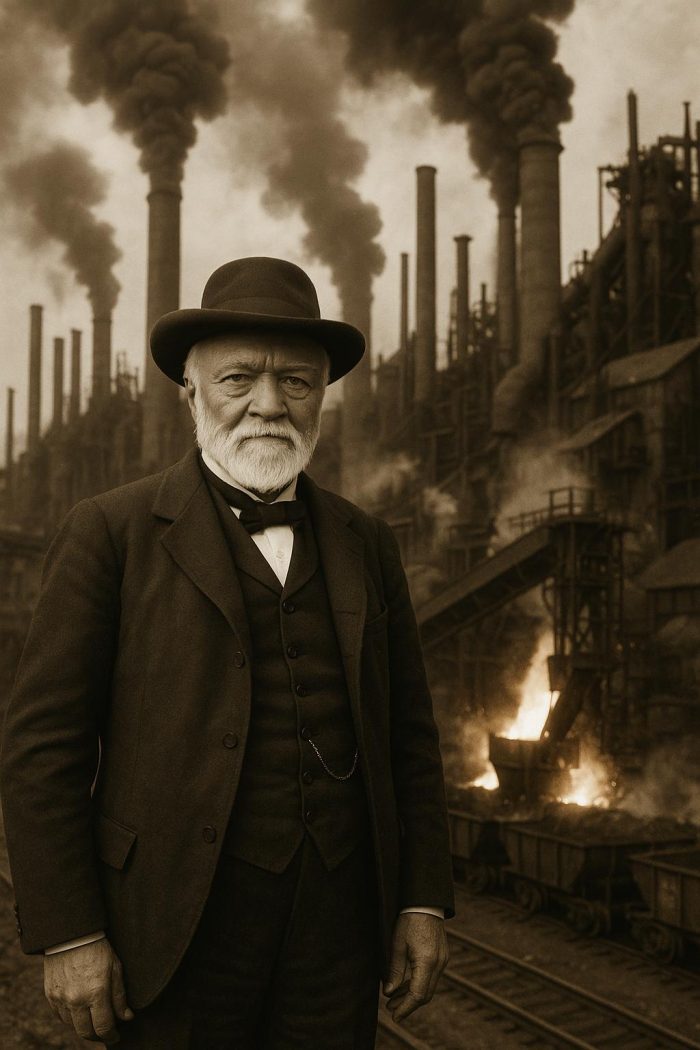
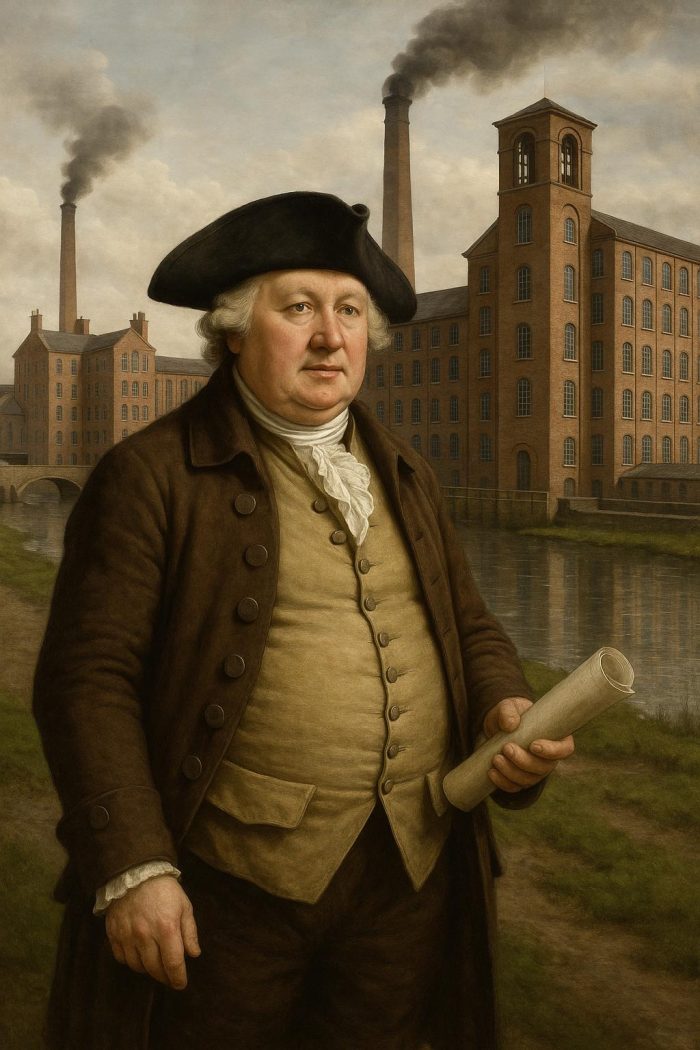
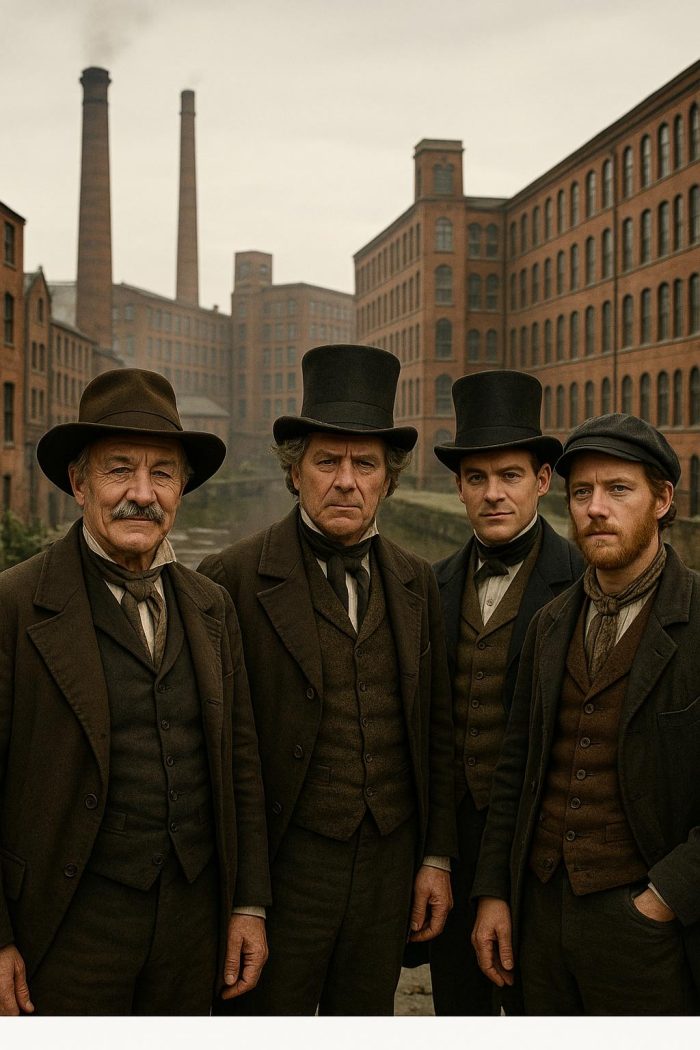
The advent of the Industrial Revolution marked a significant shift in the history of human industry, bringing profound changes in manufacturing, trade, and overall economic structures worldwide. At its core, the revolution was powered by the energy and innovation that emerged from the city of Manchester, often hailed as “Cottonopolis” due to its central role in the 19th-century textile industry. Manchester’s textile mills were at the forefront of this transformation, driving the city’s explosive growth and reshaping the industrial landscape of Britain and beyond. The entrepreneurial spirits present in these mills introduced new production methods that redefined textiles and laid the groundwork for modern industrial practices.
Early Innovators
The narrative of Manchester’s textile industry cannot be told without highlighting the contributions of pioneering individuals who laid its foundations. Richard Arkwright stands out as an instrumental figure. Known as the “father of the modern industrial factory system,” Arkwright was a visionary who changed the textile industry through his inventive genius. He developed and patented the spinning frame, later known as the water frame, which automated the task of spinning cotton fibers into yarn. This innovation not only increased production efficiency but also set the standard for factory operations, paving the way for the establishment of the first modern factories.
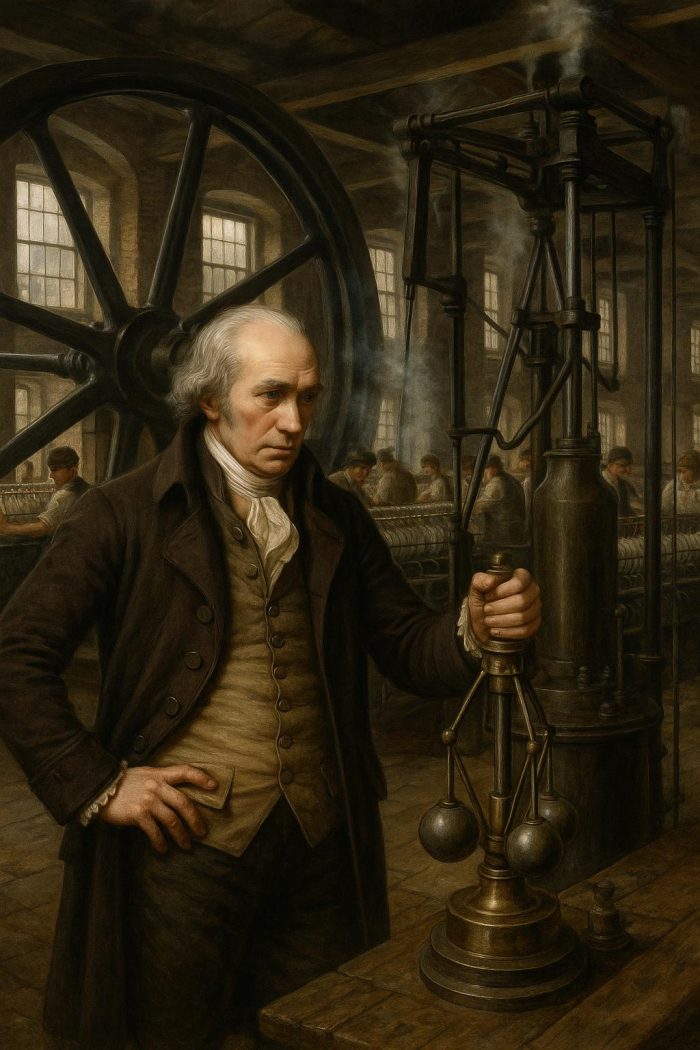
Equally important to Manchester’s textile success was Samuel Greg. In 1784, Greg founded the Quarry Bank Mill, one of the earliest examples of a water-powered factory. Situated in the picturesque Cheshire countryside, Quarry Bank Mill became a model of industrial efficiency and a testament to the potential of large-scale cotton production. Greg’s mill demonstrated to the world the enormous economic potential and social implications of harnessing natural power sources for manufacturing.
Technological Advancements and Impact
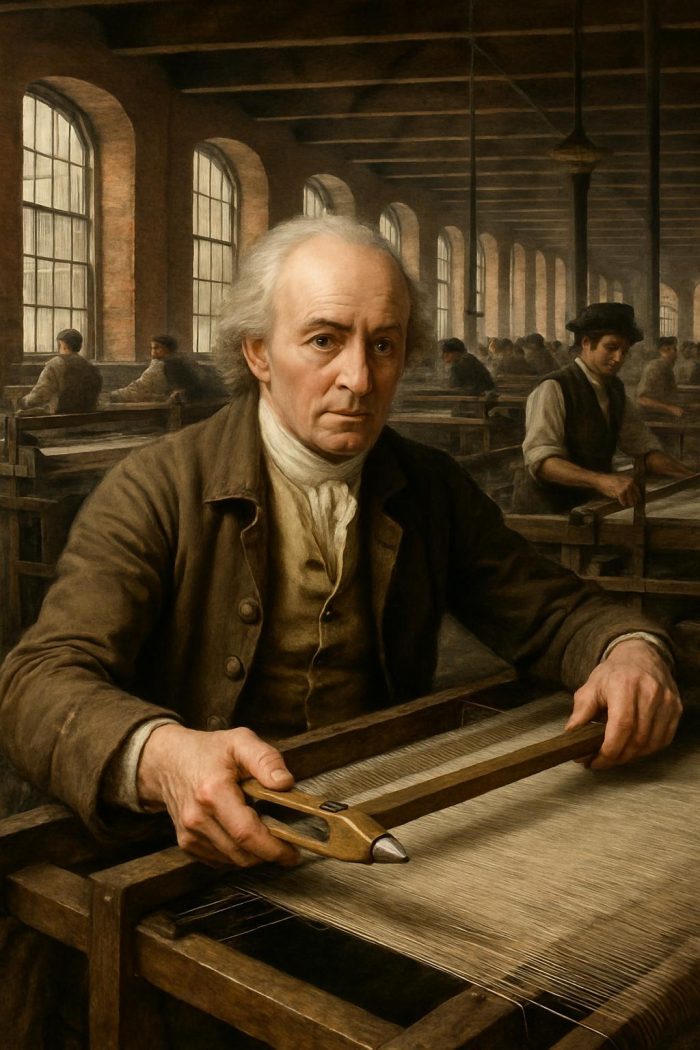
The progression of the textile industry was deeply intertwined with technological advancements that revolutionized production methodologies. One such critical development was the invention of the power loom by Edmund Cartwright. Cartwright’s power loom mechanized the weaving process, drastically improving both the speed at which textiles could be produced and the consistency of quality in the fabric. This made mass production not only feasible but also economically viable.
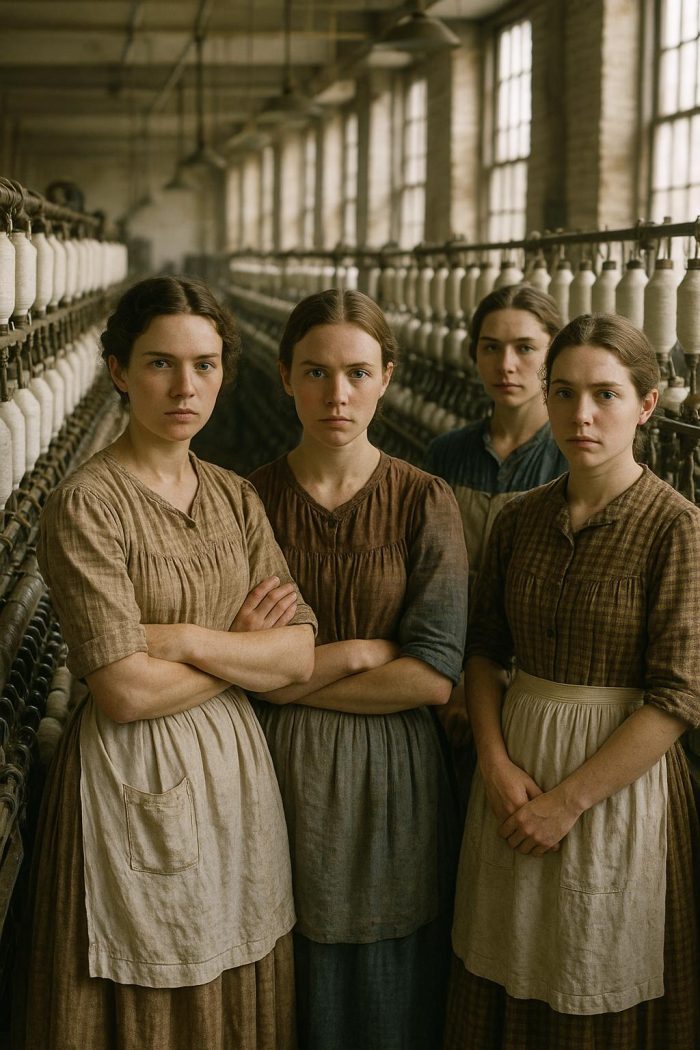
As the 19th century unfolded, continuous improvements in textile technology enabled Manchester to assert itself as a dominant player in global textile markets. The emergence of the factory system, characterized by centralized workplaces and a clear division of labor, marked a significant shift from traditional artisanal methods to organized industrial production. This system not only increased the scale of operations but also created employment opportunities for thousands. However, these opportunities came with challenges, often involving difficult working conditions that prompted societal and labor discussions.
Societal Implications
The rise of textile mills in Manchester brought about deep-seated societal changes, reshaping the city’s demographic and economic fabric. The demand for labor in mills led to a substantial migration of people from rural regions to urban centers, significantly altering community structures and everyday lifestyles. This migration helped fuel Manchester’s rapid expansion, yet it also resulted in densely populated living conditions and posed numerous social challenges, ranging from inadequate housing to health issues stemming from poor sanitary conditions.
Over time, these challenges led to the emergence of initiatives aimed at improving the conditions faced by workers. Social reformers, such as Robert Owen, advocated for better living and working environments for industrial laborers. Owen’s vision extended beyond the workplace to include proposals for improved living conditions that could foster a better quality of life for workers and their families, highlighting the human aspect of industrial progress.
Manchester’s Legacy
As a pioneering industrial city, Manchester set a precedent that influenced urban and industrial development across the globe. The technological advancements and systems developed within its textile mills were not confined to textiles alone but also laid the foundation for modern manufacturing and labor organization. The innovative spirit of Manchester’s industrial leaders and their contributions to the textile industry have become a lasting legacy, capturing a pivotal moment in history where technological advancements and entrepreneurial drive sparked profound economic and societal transformations.
Despite the passage of time, the legacy of Manchester’s textile pioneers continues to resonate, serving as a powerful chapter in industrial history. As current industries continue to evolve and markets globalize, the lessons learned from Manchester’s role in the Industrial Revolution remain relevant, underscoring the persistent and enduring impact of innovation and technological progress. The story of Manchester’s rise as a textile hub reflects the potential of human creativity and collaboration, marking an era that revolutionized production and shaped the modern world.