Introduction to Women Workers in 19th Century Mills
The 19th century was an era characterized by unprecedented industrial expansion, particularly with the proliferation of mills and factories throughout Europe and the United States. This period marked a pivotal transformation in the history of labor, significantly shaped by the influx of women into the industrial workforce. Among the industries that stood at the forefront of this transformation was the textile industry, where women played an indispensable role. Their presence in these industrial establishments was not merely ancillary but rather central to the operations and productivity of the mills. Despite their significant contributions, women in this era often battled against numerous adversities, chiefly concerning their working conditions, economic roles, and societal expectations.
The Role of Women in Textile Mills
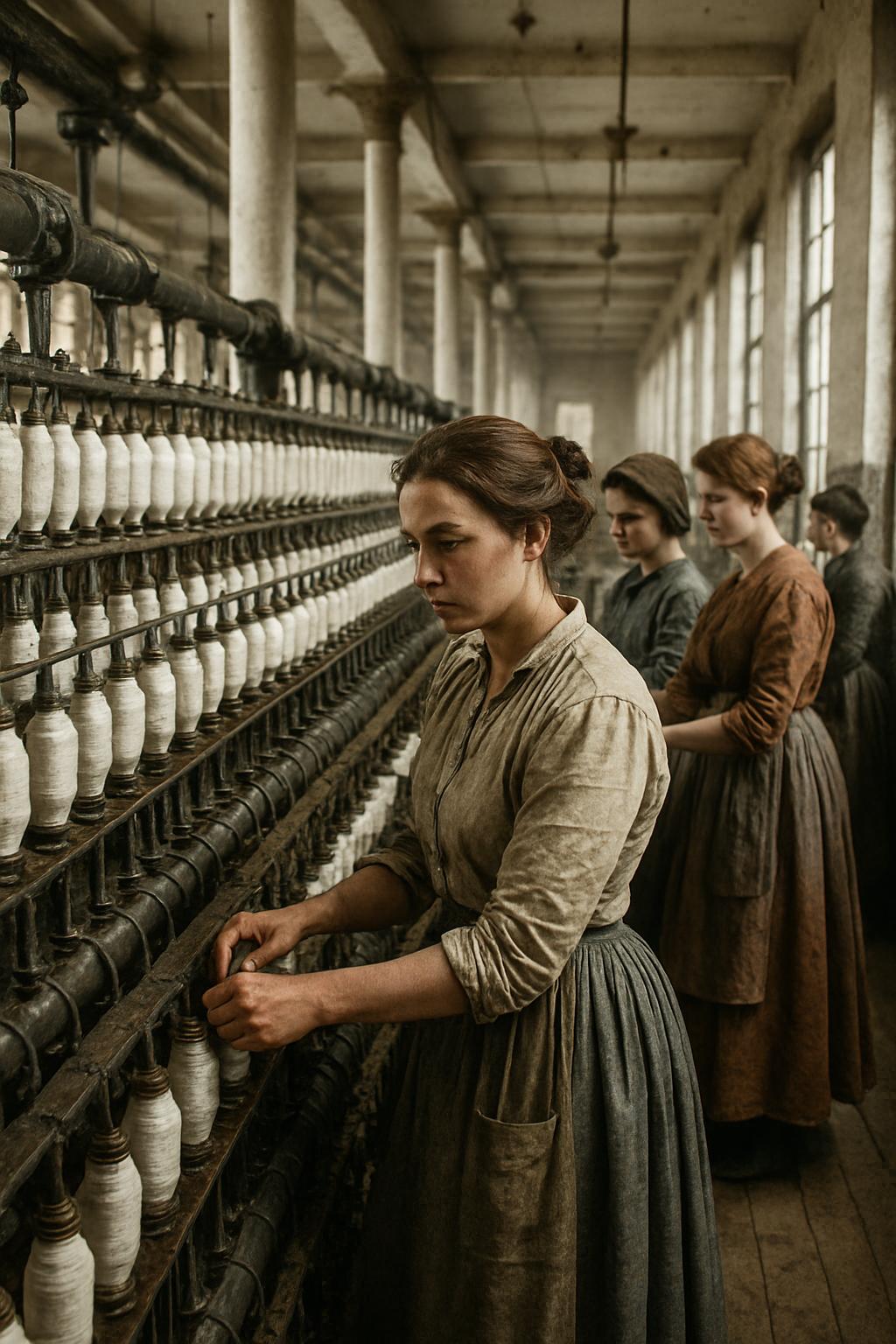
In the vast landscape of the textile industry, women emerged as fundamental contributors whose labor was integral to the production processes. As mills sought to harness the power of mechanization, the efficient operation of machines such as the spinning jenny and the power loom became crucial. Here, women were often employed as spinners, weavers, and carders, roles that required dexterity and precision. The textiles they helped produce were essential commodities that fueled both domestic consumption and burgeoning international trade markets. The advantageous employment of women in these roles arose largely from economic considerations; they were remunerated at rates considerably lower than male workers, thereby presenting a cost-saving benefit to factory proprietors aiming to curtail overheads.
Working Conditions
Despite their contributions, the environments within which these women labored were far from ideal. The operational demands of the mills necessitated prolonged workdays, often extending to 12-16 hours, under conditions that were both physically and psychologically taxing. The factories were commonly characterized by inadequate ventilation, leading to hot and oppressive atmospheres that rendered the work environment uncomfortable and hazardous. Furthermore, the machinery that represented the zenith of industrial innovation was also a source of peril. The operations involved were fraught with risk, as accidents occurred with alarming regularity, yet there was a stark absence of compensation for those injured. The absence of comprehensive labor laws left women with minimal rights and scant protection against the inherently dangerous nature of their work.
Economic Independence and Social Challenges
Nevertheless, the shift from the domestic sphere to the industrial one afforded women a measure of economic independence previously unattainable. For many, working in mills symbolized an opportunity to earn a personal income, supplement the family budget, and attain a sense of personal autonomy. This economic empowerment, however, was accompanied by significant social challenges. Widespread societal norms and cultural beliefs often cast a critical eye on the phenomenon of women working outside the home. Female mill workers frequently found themselves at the nexus of conflicting societal expectations and faced criticism and societal stigma. Such criticism was rooted in traditional beliefs about gender roles and the perceived abandonment of domestic duties.
Impact on Labor Movement
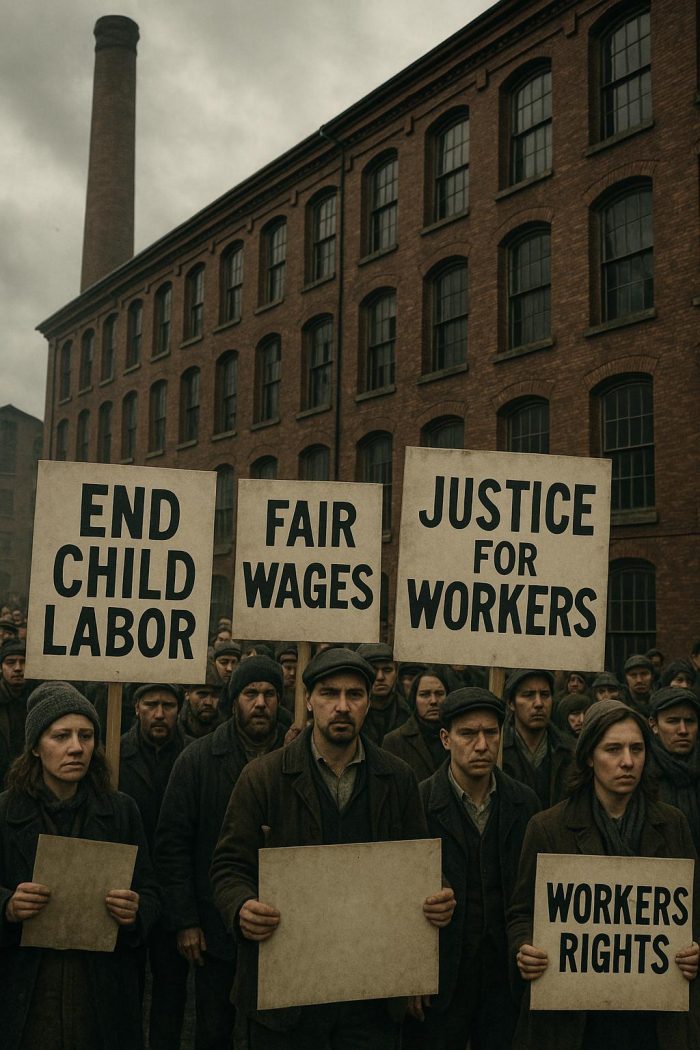
The substantial participation of women in the industrial workforce had far-reaching implications, notably inspiring substantive developments within the labor movement. Their involvement was pivotal in the formation and strengthening of labor unions, wherein they collectively mobilized to address grievances and advocate for their rights. Female workers were active participants in strikes and protests, confronting oppressive labor practices and demanding ameliorated working conditions and fair wages. The outcomes of these collective efforts were instrumental in catalyzing changes to labor laws and fostering reforms that gradually improved the working conditions for all industrial workers.
The presence of women in 19th-century mills represents a historic chapter characterized not only by economic necessity but also by a social reordering that challenged and redefined traditional gender roles. For those interested in exploring this topic further, numerous resources are available, such as encyclopedic entries and specialized historical archives that provide comprehensive insights into 19th-century industrialization and labor history.
In summary, the involvement of women in the mills during the 19th century was a complex interplay of economic imperatives, evolving social dynamics, and the burgeoning drive for enhanced labor rights. Although their journey was replete with formidable challenges, the contributions of these women were foundational for the generations that followed. Their experiences underscored the crucial role of women in the broader narratives of industrialization and labor reforms, setting important precedents for future advocacy and gender equality in the workplace.