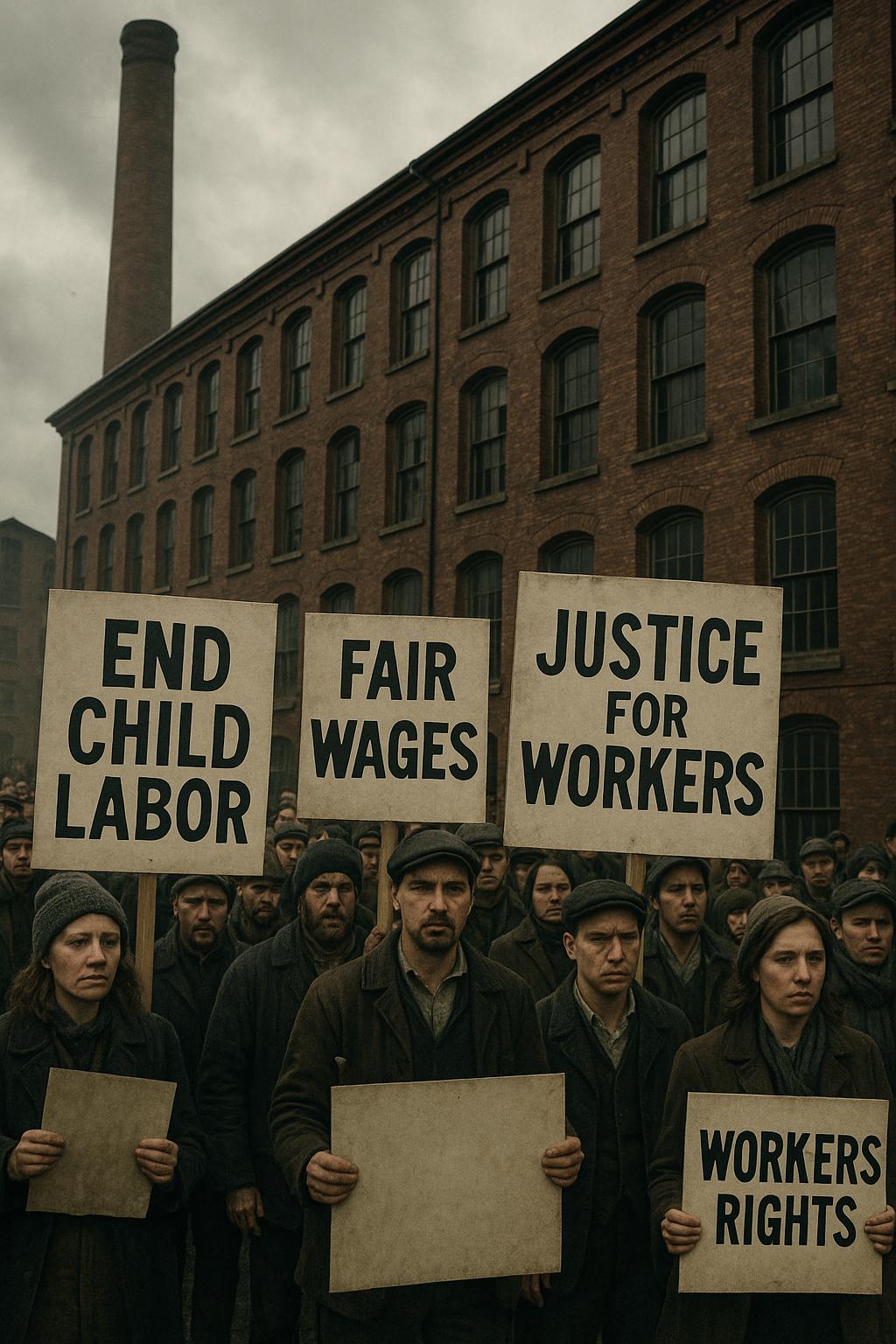
The Role of Mills in Social Reform Movements
In the 19th and early 20th centuries, mills were not only centers of industry but also focal points for social reform movements. As industrialization progressed, these structures became pivotal in shaping both economic landscapes and social dynamics.
Historical Context
Mills, particularly those focused on textiles, were significant employers during the Industrial Revolution. This period marked a shift from agrarian economies to industrial powerhouses. The emergence of mills created new labor demands, leading to a mass migration from rural to urban areas. This urbanization exposed workers to challenging conditions, igniting discussions about labor rights and reforms.
Working Conditions
Conditions in mills were often harsh, featuring long hours and low wages. Workers, including women and children, faced dangerous environments with little regard for health and safety. The oppressive atmosphere within mills became a catalyst for discourse and eventually action aimed at improving workers’ rights. Highlighting these conditions played a critical role in the genesis of social reform movements.
The industrial environment was often characterized by vast, noisy machines that filled the air with the scent of oils and dust. Such hazardous conditions were fatal at times, particularly as safety measures were rudimentary or entirely absent. Workers operated heavy machinery with minimal training, making accidents commonplace. The awareness of these dire conditions galvanized public criticism and became instrumental in the fight for labor reforms in later years.
Key Reform Movements
Labor Rights Movement: The labor rights movement gained traction as workers organized to demand better working conditions and fair wages. Trade unions became instrumental during this period, advocating for changes that laid the groundwork for modern labor laws. They focused on reasonable working hours, safer environments, and adequate pay. The struggles in the mills highlighted these issues, pressuring governments and industry leaders to enact change.
Child Labor Reforms: Mills notoriously employed children due to their ability to be paid less and manipulate small machinery parts. Public outcry over child exploitation led to legislative action, resulting in laws that restricted child labor and mandated education. This movement not only changed labor laws but also emphasized the importance of childhood education and laid the foundation for modern educational systems that emphasize early childhood development.
Women’s Rights Movement: Many women, who formed a significant portion of the mill workforce, began to advocate for gender equality. The experience of working in a mill was pivotal in mobilizing women to push for equal rights in the workplace and beyond. Female mill workers questioned their societal roles and demanded reforms not only for workplace conditions but also for gender parity. This was a critical stepping stone in the wider movement for women’s suffrage and equality.
Impact on Society
The efforts to improve conditions in mills contributed significantly to shaping modern social policies. They highlighted the need for regulatory frameworks to protect workers, eventually leading to the establishment of minimum wage laws and safety regulations. Furthermore, the struggle within mills served as a microcosm for broader societal changes, influencing movements for universal suffrage and educational reforms.
An important side effect of these movements was the birth of progressive thought concerning labor management and governance structures. These early reform movements laid the groundwork for the regulatory mechanisms that modern workplaces operate under today, such as health insurance plans and retirement benefits. By addressing the inadequacies of the Industrial Revolution, reformers paved the way toward a more equitable society.
Although the mills have largely faded from the economic stage, their contributions to social reform echo in current labor practices. The past battles fought within these factories serve as reminders of the power of unified social action. Today, workplace safety, fair compensation, and equitable employment opportunities are taken as a given, but they were hard-won achievements born from the struggles that took place in and around these mills.
The legacy of these reform movements is evident in today’s labor standards and social policies. Mills, once symbols of oppression, also represent resilience and the capacity for collective action to drive change. By advocating for better conditions and social fairness, populations who worked in mills highlighted the human desire for dignity and respect in the workplace.
Best practices in business operations continue to evolve as a result of early 20th-century labor reforms. The template established during these formative years serves as an essential guide for balancing efficiency with humanity in working environments. Fundamentally, the mills’ historical role supports the notion that industry should serve the individual, ensuring the well-being of workers and the communities they are part of.
For continuous learning, understanding the struggles of the past aids in appreciating the transformations that shape our present-day environments. It is crucial, therefore, for students and professionals alike to familiarize themselves with the history of industrialization and its social impacts. For more information on the history of industrialization and its social impacts, consider exploring additional resources on the Encyclopædia Britannica’s website.